
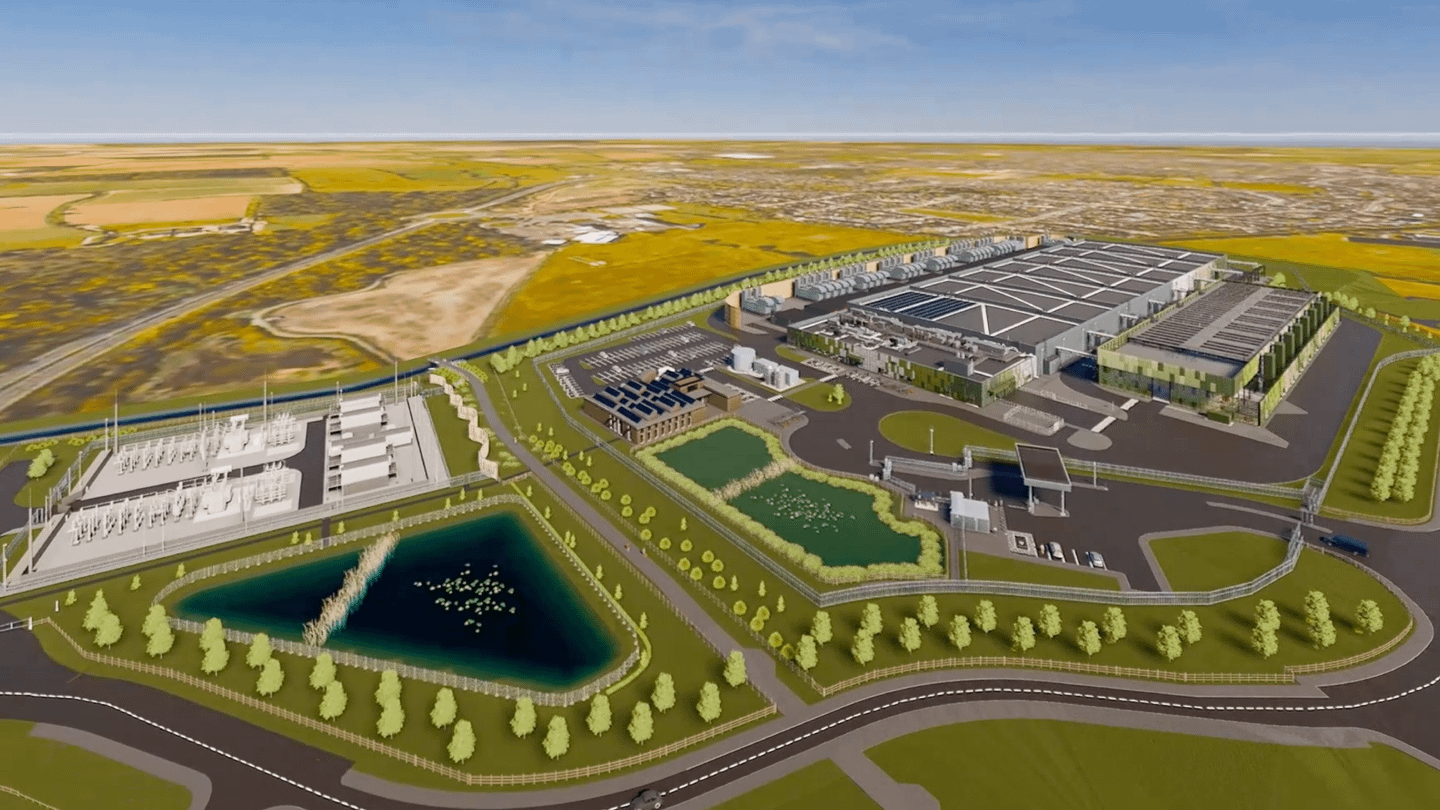
I’ve been thinking: northern UK regions often generate more wind power than local demand can absorb (so turbines are sometimes curtailed). Why aren’t we locating flexible load‑facilities (e.g., GPU‑based data centres) there, to soak up that “extra” energy?
Here are the specific policy/market questions I’m stuck on:
-
The Review of Electricity Market Arrangements (REMA) concluded that the UK will not move to zonal pricing (i.e different wholesale electricity prices by region). Instead, the government opts for a single national wholesale price
-
Zonal pricing would have created locational signals: zones with abundant generation and low demand could have lower prices, incentivising large electricity users (e.g data centres) to locate in those zones.
-
What infrastructure or network incentives or planning regimes would be needed (or are missing) to make north‑UK data centres viable for absorbing “excess” wind?
-
On the other hand, in other sectors we’ve seen relocation/regional‑spread policies: BBC’s move to MediaCityUK in Salford, Channel 4’s relocation focus outside London. If the government/regulators can push media companies out of London, why isn’t the same kind of push (or incentive) applied in the energy/large‑load sector to make the north have more large demand‑facilities absorbing renewables?
Would love insights from folks in energy policy, grid operators, or the data‑centre industry: what are the bottlenecks and the enablers for this kind of flexible demand siting in the north?
a. See https://blog.google/around-the-globe/google-europe/united-kingdom/waltham-cross-data-centre/
b. See https://www.telegraph.co.uk/business/2025/06/05/starmer-intervenes-higher-energy-bills-south/
Source: david-yammer-murdoch