**The problem at the heart of this Coalition shambles? These are not serious people**
*January 29, 2026 – 5:00am*
For those who spent the summer break keeping away from the media and politics, here’s an update on the goings-on with the federal Liberals. Things aren’t good.
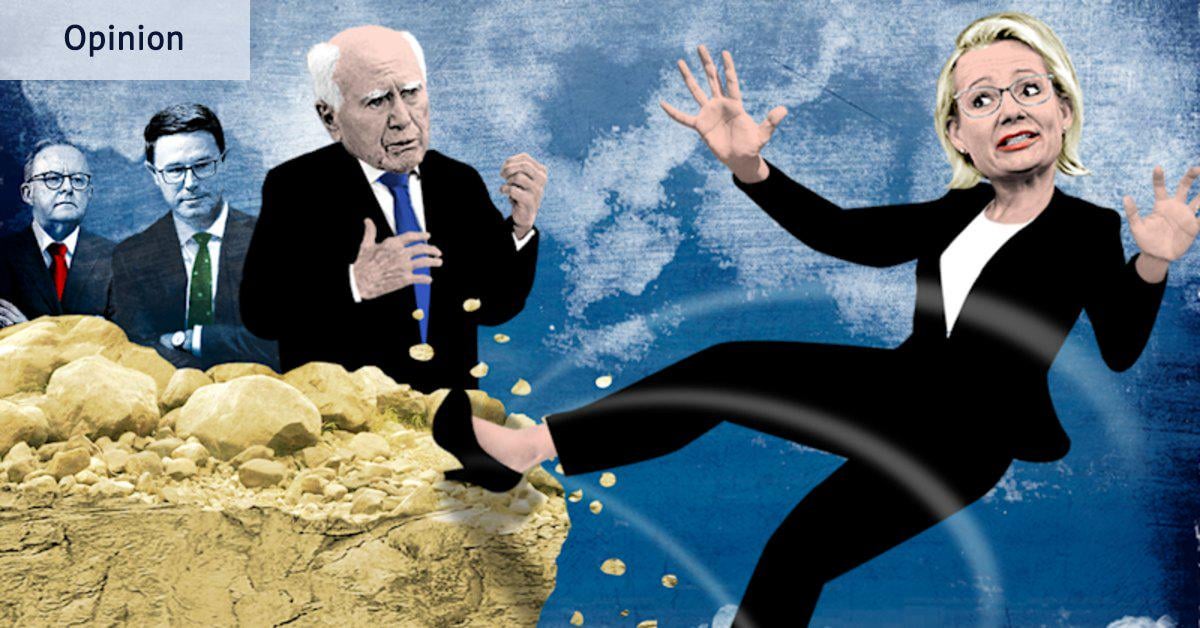
Nationals leader David Littleproud has led his party out of the Coalition – again – but the kicker is that this time he’s demanded that Sussan Ley be ditched as Liberal leader. Most Liberal MPs accept that Ley’s leadership is cooked but can’t agree on who to support as her replacement. And many don’t want to reward Littleproud by ousting Ley, so they favour waiting a while and then tipping her out in the hope that, er, maybe people won’t remember that’s what Littleproud wanted? Oh well, perhaps that won’t matter so much, because we learnt on Wednesday that Littleproud himself will face a party room challenge next Monday.
It’s a shambles. And it keeps getting worse. In the week since Littleproud pulled the pin, the Liberals’ internal narrative has been hardening around the conviction that it’s all his fault. At the same time, some Liberals are also working on mending the rift. Should they succeed, it would be the third version of the Coalition inside a year.
Clearly, Littleproud shows profound signs of not being a serious person. But Ley created the immediate circumstances that allowed this crisis to take place. The Liberals’ plight was entirely predictable. Four days after the Bondi attack, I wrote that the Coalition would only hurt itself with its near-instantaneous attempt to pin the blame for the killings directly on Anthony Albanese.
There were few places Ley, urged on by her colleagues and Liberal worthies – most notably John Howard, who has been providing guidance to Ley as her problems have mounted – would not go.
Her decision to ignore the conventional bipartisanship that follows a national tragedy was effective in the short term. She completely discombobulated Albanese, one of the least articulate prime ministers of modern times, whose natural abilities are best suited to political management and less so to moments of high emotion. Ley, along with many others in the community and the media, scored a win in forcing Albanese to replace the NSW royal commission into Bondi with a federal one.
But her demand that parliament be instantly recalled was an act of political self-sabotage. And a remarkable one for someone who’s in her 25th year as an MP. Basically, she cornered herself by losing sight of how little juice she had in her own party and in the Coalition. As leader, she allowed the National tail to wag the Coalition dog. Littleproud began by blindsiding her with his first walkout in May, then in November he manipulated her into getting the Liberals to drop their commitment to a target of net zero carbon emissions by 2050. That position is poison in a great number of the metropolitan seats the Liberals need to win to form office.
Ley also paid too little heed to the fact that a prime minister decides when and for how long the parliament will sit and what legislation will be presented for consideration. In other words, it’s his turf. Albanese is at heart a factional operator who has survived and prospered in the ALP by playing a long game and learning how to control a set of proceedings.
He played this process hard by putting gun reform and hate speech proposals in one bill, then splitting it, which applied pressure to the existing ideological cracks and personal enmities inside the Coalition. No question, the timetable was rushed. But after weeks of Ley sheeting home the blame for Bondi on Albanese apparently ahead of the gunmen themselves, demanding a hasty recall of parliament and revelling in the prospect of ministers being, in her words, “in the dock” at the royal commission, he responded in kind.
Ley is often badged as a moderate. Whatever moderate stances she once had have been discarded, just like the punk clothing she claims to have sashayed around in back in her younger days. A moderate wouldn’t have let herself be gulled into ditching the 2050 net zero target. Her dismissal of gun law reform as a distraction and her failure to argue for it upset her genuinely moderate colleagues, although they’re small in number.
But it’s wrong to conclude that she is entirely responsible for her party’s predicament. The Liberals have wasted so much time both in and out of office going right back to the end of the Howard government in 2007. Howard was the last Liberal leader who had a clear policy vision and was able to implement a lot of it – and he was elected prime minister 30 years ago come March! Tony Abbott and Malcolm Turnbull did have some big policy ideas and had thought about how to shape the country’s future. Scott Morrison, probably not so much.
But just how invested they were in their policy visions counted for little in the end, because cycling through three leaders in three terms meant that governing was essentially about so-called fresh starts gingered up with tactical political plays. Morrison produced a category killer, joining up an immense decades-long financial and defence commitment with political opportunism in the form of AUKUS, a deadweight that looks sicker with every minute. As leader, Peter Dutton, apart from his wise and brave support for the social media ban for under-16s, was chiefly into bombast, as evidenced by the meagre policy offerings at last year’s election.
That’s a lot of time that hasn’t been put to its best use. Many Liberals will, of course, see 2013-22 as having great merit because it kept the ALP out of office. But the pursuit of office ultimately should be about what you want to do more than merely blocking the other side. The rise of One Nation in the polls at the expense of support for the Liberals and Nationals is said to be what’s prompting the current panicky behaviour. The move towards One Nation is not an act of nature; it has come from somewhere. Might that “somewhere” not be the all-too frequent periods of policy stasis that have featured in the (former) Coalition parties’ recent past?
***Shaun Carney is a regular columnist, an author and a former associate editor of The Age.***

1 Comment
**The problem at the heart of this Coalition shambles? These are not serious people**
*January 29, 2026 – 5:00am*
For those who spent the summer break keeping away from the media and politics, here’s an update on the goings-on with the federal Liberals. Things aren’t good.
Nationals leader David Littleproud has led his party out of the Coalition – again – but the kicker is that this time he’s demanded that Sussan Ley be ditched as Liberal leader. Most Liberal MPs accept that Ley’s leadership is cooked but can’t agree on who to support as her replacement. And many don’t want to reward Littleproud by ousting Ley, so they favour waiting a while and then tipping her out in the hope that, er, maybe people won’t remember that’s what Littleproud wanted? Oh well, perhaps that won’t matter so much, because we learnt on Wednesday that Littleproud himself will face a party room challenge next Monday.
It’s a shambles. And it keeps getting worse. In the week since Littleproud pulled the pin, the Liberals’ internal narrative has been hardening around the conviction that it’s all his fault. At the same time, some Liberals are also working on mending the rift. Should they succeed, it would be the third version of the Coalition inside a year.
Clearly, Littleproud shows profound signs of not being a serious person. But Ley created the immediate circumstances that allowed this crisis to take place. The Liberals’ plight was entirely predictable. Four days after the Bondi attack, I wrote that the Coalition would only hurt itself with its near-instantaneous attempt to pin the blame for the killings directly on Anthony Albanese.
There were few places Ley, urged on by her colleagues and Liberal worthies – most notably John Howard, who has been providing guidance to Ley as her problems have mounted – would not go.
Her decision to ignore the conventional bipartisanship that follows a national tragedy was effective in the short term. She completely discombobulated Albanese, one of the least articulate prime ministers of modern times, whose natural abilities are best suited to political management and less so to moments of high emotion. Ley, along with many others in the community and the media, scored a win in forcing Albanese to replace the NSW royal commission into Bondi with a federal one.
But her demand that parliament be instantly recalled was an act of political self-sabotage. And a remarkable one for someone who’s in her 25th year as an MP. Basically, she cornered herself by losing sight of how little juice she had in her own party and in the Coalition. As leader, she allowed the National tail to wag the Coalition dog. Littleproud began by blindsiding her with his first walkout in May, then in November he manipulated her into getting the Liberals to drop their commitment to a target of net zero carbon emissions by 2050. That position is poison in a great number of the metropolitan seats the Liberals need to win to form office.
Ley also paid too little heed to the fact that a prime minister decides when and for how long the parliament will sit and what legislation will be presented for consideration. In other words, it’s his turf. Albanese is at heart a factional operator who has survived and prospered in the ALP by playing a long game and learning how to control a set of proceedings.
He played this process hard by putting gun reform and hate speech proposals in one bill, then splitting it, which applied pressure to the existing ideological cracks and personal enmities inside the Coalition. No question, the timetable was rushed. But after weeks of Ley sheeting home the blame for Bondi on Albanese apparently ahead of the gunmen themselves, demanding a hasty recall of parliament and revelling in the prospect of ministers being, in her words, “in the dock” at the royal commission, he responded in kind.
Ley is often badged as a moderate. Whatever moderate stances she once had have been discarded, just like the punk clothing she claims to have sashayed around in back in her younger days. A moderate wouldn’t have let herself be gulled into ditching the 2050 net zero target. Her dismissal of gun law reform as a distraction and her failure to argue for it upset her genuinely moderate colleagues, although they’re small in number.
But it’s wrong to conclude that she is entirely responsible for her party’s predicament. The Liberals have wasted so much time both in and out of office going right back to the end of the Howard government in 2007. Howard was the last Liberal leader who had a clear policy vision and was able to implement a lot of it – and he was elected prime minister 30 years ago come March! Tony Abbott and Malcolm Turnbull did have some big policy ideas and had thought about how to shape the country’s future. Scott Morrison, probably not so much.
But just how invested they were in their policy visions counted for little in the end, because cycling through three leaders in three terms meant that governing was essentially about so-called fresh starts gingered up with tactical political plays. Morrison produced a category killer, joining up an immense decades-long financial and defence commitment with political opportunism in the form of AUKUS, a deadweight that looks sicker with every minute. As leader, Peter Dutton, apart from his wise and brave support for the social media ban for under-16s, was chiefly into bombast, as evidenced by the meagre policy offerings at last year’s election.
That’s a lot of time that hasn’t been put to its best use. Many Liberals will, of course, see 2013-22 as having great merit because it kept the ALP out of office. But the pursuit of office ultimately should be about what you want to do more than merely blocking the other side. The rise of One Nation in the polls at the expense of support for the Liberals and Nationals is said to be what’s prompting the current panicky behaviour. The move towards One Nation is not an act of nature; it has come from somewhere. Might that “somewhere” not be the all-too frequent periods of policy stasis that have featured in the (former) Coalition parties’ recent past?
***Shaun Carney is a regular columnist, an author and a former associate editor of The Age.***