The first thing al-Masarir noticed was that his phones were behaving weirdly. They had become very slow, with the batteries running out quickly.
Then he noticed seeing the same faces appear in different parts of London. People who seemed to be Saudi regime supporters began stopping him in the street, harassing and filming him. But how did they know where he was all the time?
Al-Masarir feared his phone was being used to spy on him. Cyber experts would later confirm he’d become the latest victim to be spied on with the infamous Pegasus hacking tool.
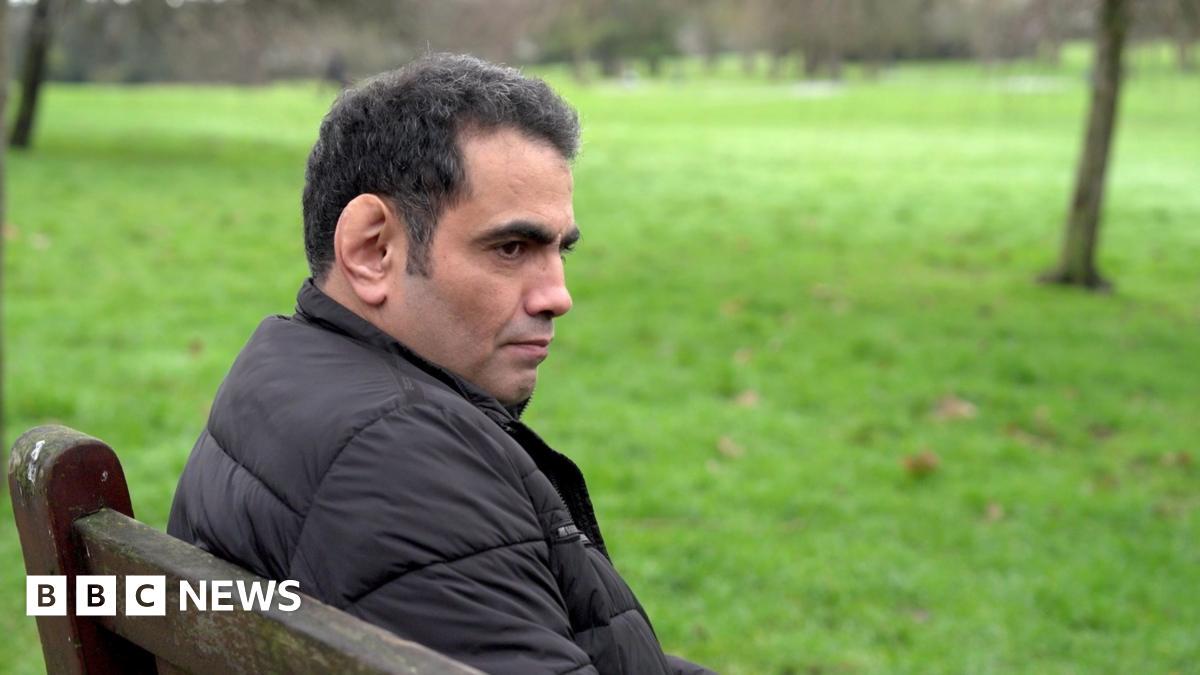
“It was something that I couldn’t comprehend. They can see your location. They can turn on the camera. They can turn on the microphone, listen to you,” al-Masarir tells the BBC. “They got your data, all pictures, everything. You feel you’ve been violated.”
On Monday, after six years of legal battles, the High Court in London ruled Saudi Arabia was responsible, and ordered the kingdom to pay al-Masarir more than £3m ($4.1m) in compensation.
Inevitable_Driver291 on
Interesting, if true, that a single malicious link was enough to gain full access to his phone.
chronicnerv on
I’d be grateful to still have my head and not be dissolved in acid like Jamal Khashoggi.
We’re entering a period of declining U.S. global influence, and history shows that when dominant powers weaken, from Rome to later empires, the tools and systems they developed to project power abroad often end up being used internally to manage dissent as economic and social pressures grow.
You can already see elements of this shift. Security and surveillance practices pioneered in conflict or occupation settings are increasingly mirrored in domestic policing and immigration enforcement, both in the U.S. and elsewhere. In the UK, recent online safety and public order laws have significantly expanded the state’s ability to police speech, with a growing number of prosecutions related to online expression.
Orwell was not meant to be a guide.
ZeligD on
> Al-Masarir’s iPhones had been hacked in 2018 after *he clicked on links* in three text messages seemingly sent from news outlets as special membership offers.

4 Comments
The first thing al-Masarir noticed was that his phones were behaving weirdly. They had become very slow, with the batteries running out quickly.
Then he noticed seeing the same faces appear in different parts of London. People who seemed to be Saudi regime supporters began stopping him in the street, harassing and filming him. But how did they know where he was all the time?
Al-Masarir feared his phone was being used to spy on him. Cyber experts would later confirm he’d become the latest victim to be spied on with the infamous Pegasus hacking tool.
“It was something that I couldn’t comprehend. They can see your location. They can turn on the camera. They can turn on the microphone, listen to you,” al-Masarir tells the BBC. “They got your data, all pictures, everything. You feel you’ve been violated.”
On Monday, after six years of legal battles, the High Court in London ruled Saudi Arabia was responsible, and ordered the kingdom to pay al-Masarir more than £3m ($4.1m) in compensation.
Interesting, if true, that a single malicious link was enough to gain full access to his phone.
I’d be grateful to still have my head and not be dissolved in acid like Jamal Khashoggi.
We’re entering a period of declining U.S. global influence, and history shows that when dominant powers weaken, from Rome to later empires, the tools and systems they developed to project power abroad often end up being used internally to manage dissent as economic and social pressures grow.
You can already see elements of this shift. Security and surveillance practices pioneered in conflict or occupation settings are increasingly mirrored in domestic policing and immigration enforcement, both in the U.S. and elsewhere. In the UK, recent online safety and public order laws have significantly expanded the state’s ability to police speech, with a growing number of prosecutions related to online expression.
Orwell was not meant to be a guide.
> Al-Masarir’s iPhones had been hacked in 2018 after *he clicked on links* in three text messages seemingly sent from news outlets as special membership offers.
How to spot a scam 101