
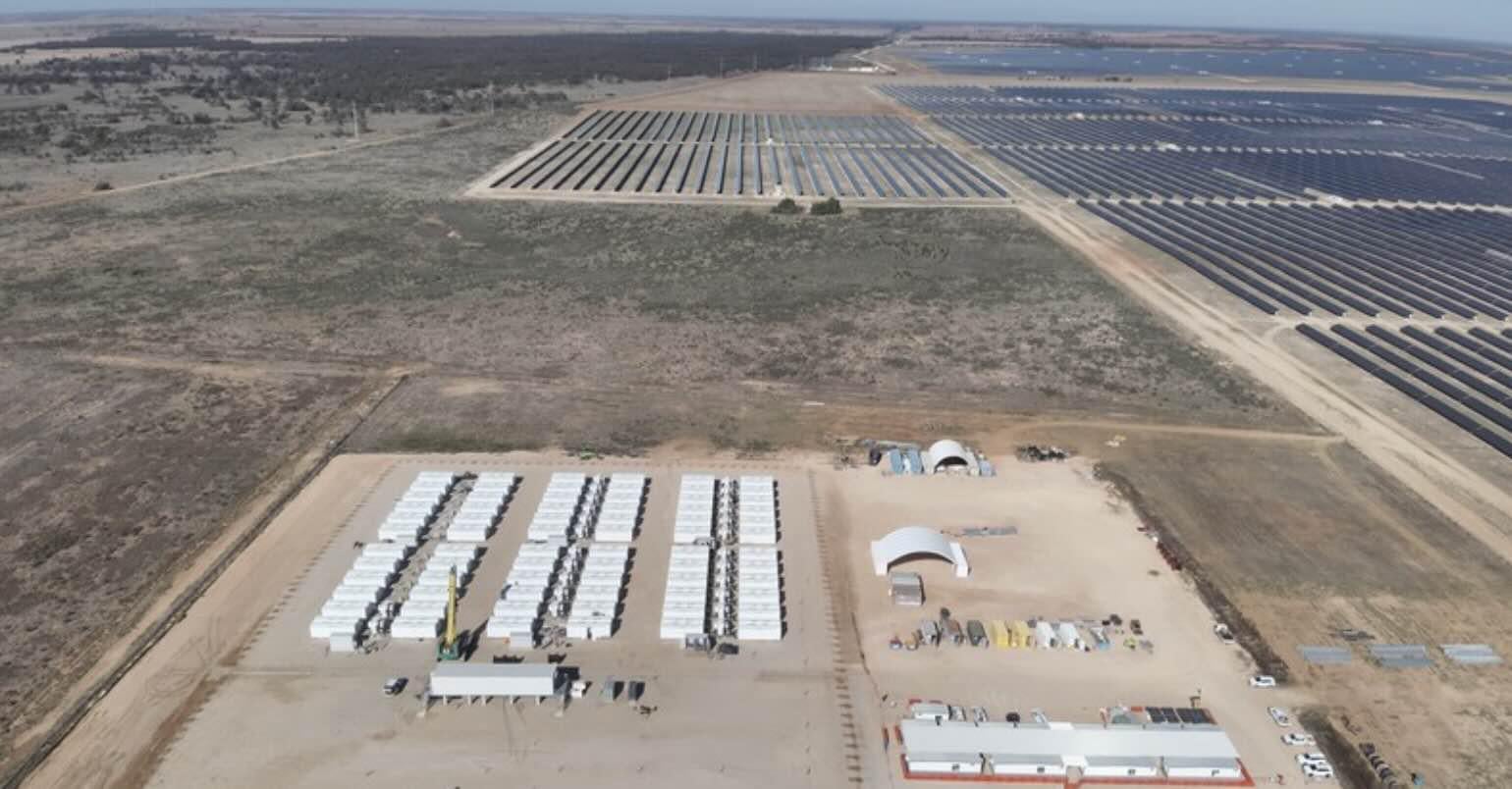
Some highlights from the article:
“The full commissioning of the 50 megawatt (MW, 400 megawatt-hour (MWh) Limondale battery next to the solar farm of the same name in the south-west of NSW represents a significant milestone for the Australia grid.
The project defied predictions that batteries would be limited to shorter storage periods, and was the flag bearer for the technology when it was announced as the sole winner of an underwriting agreement in the first tender for long duration storage in Australia.
Long duration storage (defined as eight hours of storage or more) had been expected to be dominated by pumped hydro and other technologies. But the costs of pumped hydro have soared – largely due to civil construction costs – while battery storage costs have plunged in recent years.
Since Limondale’s tender win, another 10 eight-hour battery projects have won contracts under the state’s long duration storage tenders, with the scale increasing almost ten-fold and the storage duration has also grown even longer.
The biggest winner to date is Neoen’s 330 MW, 3,500 MWh Great Western battery boasts more than 10 hours of notional storage….”
Worth noting that there is nothing magic about “long-duration” batteries — just an economic choice to make the batteries discharge more slowly:
The battery “has been registered to charge at 100 MW and discharge at 50 MW, which means it can charge in half the time it is allowed to discharge, and also underlines that the length of storage is really about the set up and business model rather than some profound technology breakthrough, apart from costs.”
Source: EinSV