
Hello everyone,
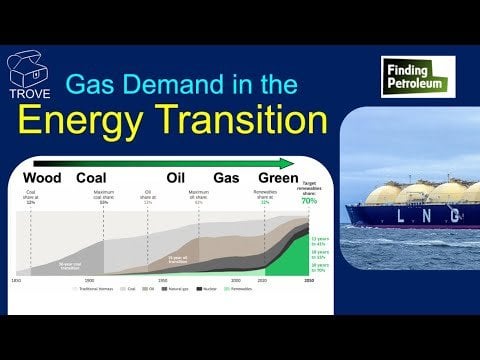
I just finished watching this video: https://www.youtube.com/watch?v=_vU2B6eA6is, which features a group of Oil and Gas executives from the UK discussing the role of natural gas in the energy mix. While I understand their perspective, especially from the UK’s standpoint, this viewpoint isn’t unique to them. Similar discussions are happening in the USA, India, and Australia.
When I think about the energy transition, there are three key metrics that I consider essential:
- Energy Security: How resilient is the grid to both credible and non-credible contingencies? This includes physical threats like wildlife interactions, climate change, and other disruptions.
- Energy Reliability: Can we consistently meet demand, particularly with growing demand from sectors like data centres and big tech? Rather than seeing this as a threat, I view it as an opportunity for grid expansion and improvements in transmission and distribution.
- Energy Price: What do consumers pay for the levels of energy security and reliability that are necessary?
The video I watched did touch on how natural gas could serve as a substitute for coal in the short term, while renewables are better suited for new capacity. However, the conversation quickly shifted to the argument that natural gas is indispensable due to the cost of renewable intermittency. The discussion didn’t go deep into the economics, and it seemed like a defensive position from the oil and gas industry. I’m curious if there are any unbiased voices here who could help me refine or challenge my thinking.
Here are a few questions I’m considering:
- What is the actual cost of intermittency for renewables?
- Is intermittency truly a significant concern, considering we’re approaching a point where consumer demand behaviours may shift through mechanisms like TOI tariffs, V2G, etc.?
- Are CFDs structured effectively, or are they simply costly instruments that would benefit from more innovation?
- Is natural gas more cost-effective than long-duration storage? I’ve come across mixed reports, with some arguing that we only need up to 4 hours of storage capacity.
- Given the three metrics mentioned previously, can natural gas help optimize these, or does it offer no added advantage over solar + long-duration BESS?
Looking forward to hearing your thoughts and experiences!
Source: rhyme_pj