
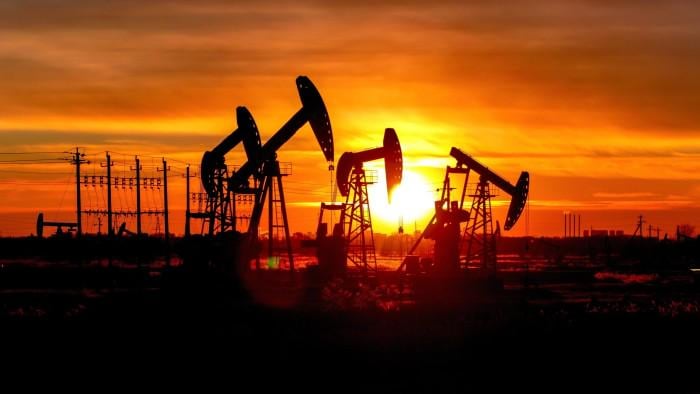
Big Oil faces up to its sunset era. The sector remains split on the timeline for peak oil and how to respond
Source: coolbern
Big Oil faces up to its sunset era. The sector remains split on the timeline for peak oil and how to respond
Source: coolbern
2 Comments
https://archive.fo/CiSSu
>To shore up their investment cases, oil companies stress that peak demand does not mean the end of oil. Use is expected to persist for decades — driven by aviation, shipping, petrochemicals, and road transport in emerging markets — especially if politicians scale back their climate ambitions and focus on energy security and affordability.
>“We will have a gradual decline,” Varró says. A sharp drop, he argues, would only occur under an aggressive political push towards net zero emissions by 2050 — a challenge he says is “significantly outside society’s current comfort zone”.
Long-term fund managers have a duty to report on the state of adoption of climate-protective policies. To the extent that the necessary transition to a sustainable economy is thwarted by governmental inaction, fund managers are obliged to sound the alarm that the risk from unmitigated climate change may become unmanageable.
Only major pension funds which are already unencumbered by fossil fuel entanglements, like New York City’s pension funds, are in a position to sound that alarm.
In contrast, fund managers who still invest in fossil fuel assets are inhibited from doing their job of watchdog on behalf of their beneficiaries. They have implicitly bet their money that fossil fuels will survive, even if we don’t.
Indeed, the suite of climate protective actions which we are most in need of adopting can quickly be identified as being those measures which the fossil fuel industry has most strongly opposed.