# Pakistan asks Qatar to divert 2026 LNG shipments as LNG power plants “uncompetitive”
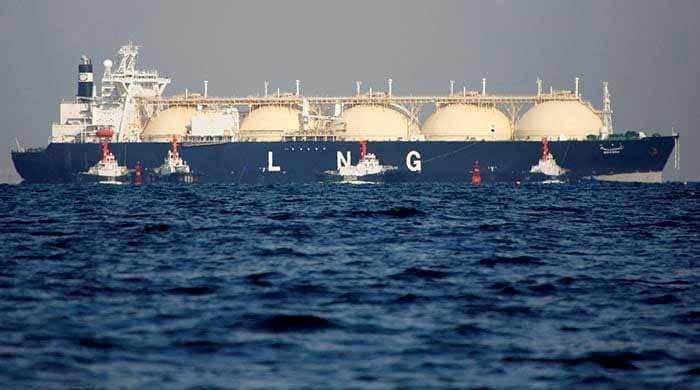
Pakistan has requested Qatar to divert 24 contracted LNG cargoes to international markets in 2026 due to a dramatic collapse in domestic gas demand. The country faces an annual surplus of 35 LNG cargoes as its four major LNG-fired power plants—originally designed as “must-run” facilities—now operate at significantly reduced capacity under an Economic Merit Order that prioritizes cheaper energy sources.
**Solar boom compounds the problem:**
The LNG oversupply crisis is being exacerbated by Pakistan’s unprecedented solar energy boom, which has reduced overall grid demand by 4-5% over the past year. With electricity tariffs having increased 155% in three years, millions of Pakistani households, farms, and industries have switched to rooftop solar panels imported from China. This has left fossil fuel plants, including the expensive LNG facilities, increasingly stranded and uncompetitive.
**Demand has cratered across key sectors:**
– Power sector consumption has fallen to just 486 million cubic feet per day (mmcfd), well below the committed 800 mmcfd
– Export-oriented industries have slashed LNG usage from 350 mmcfd to only 100 mmcfd
– The decline is attributed to high LNG prices of around Rs3,500 per MMBtu, plus an additional 5% off-grid levy
**The oversupply is creating dangerous operational problems:**
– Pipeline pressure has exceeded the 5 billion cubic feet safety threshold, raising concerns about potential system failure
– Authorities have been forced to shut down domestic gas fields producing 270-400 mmcfd, risking permanent well damage
– The shutdowns are disrupting crude oil and LPG production, with Attock Refinery warning it cannot operate at full capacity
Pakistan imports 9 LNG cargoes monthly from Qatar under rigid “Take-or-Pay” contracts that require payment regardless of consumption. However, the resale clause heavily favors Qatar—it keeps any profits from international sales while Pakistan absorbs all losses if spot prices fall below contract rates. The government has already been diverting one ENI cargo per month under a more favorable profit-sharing arrangement, and diverted Rs242 billion worth of excess RLNG to the domestic sector in fiscal year 2024-25 alone.

1 Comment
# Pakistan asks Qatar to divert 2026 LNG shipments as LNG power plants “uncompetitive”
Pakistan has requested Qatar to divert 24 contracted LNG cargoes to international markets in 2026 due to a dramatic collapse in domestic gas demand. The country faces an annual surplus of 35 LNG cargoes as its four major LNG-fired power plants—originally designed as “must-run” facilities—now operate at significantly reduced capacity under an Economic Merit Order that prioritizes cheaper energy sources.
**Solar boom compounds the problem:**
The LNG oversupply crisis is being exacerbated by Pakistan’s unprecedented solar energy boom, which has reduced overall grid demand by 4-5% over the past year. With electricity tariffs having increased 155% in three years, millions of Pakistani households, farms, and industries have switched to rooftop solar panels imported from China. This has left fossil fuel plants, including the expensive LNG facilities, increasingly stranded and uncompetitive.
**Demand has cratered across key sectors:**
– Power sector consumption has fallen to just 486 million cubic feet per day (mmcfd), well below the committed 800 mmcfd
– Export-oriented industries have slashed LNG usage from 350 mmcfd to only 100 mmcfd
– The decline is attributed to high LNG prices of around Rs3,500 per MMBtu, plus an additional 5% off-grid levy
**The oversupply is creating dangerous operational problems:**
– Pipeline pressure has exceeded the 5 billion cubic feet safety threshold, raising concerns about potential system failure
– Authorities have been forced to shut down domestic gas fields producing 270-400 mmcfd, risking permanent well damage
– The shutdowns are disrupting crude oil and LPG production, with Attock Refinery warning it cannot operate at full capacity
Pakistan imports 9 LNG cargoes monthly from Qatar under rigid “Take-or-Pay” contracts that require payment regardless of consumption. However, the resale clause heavily favors Qatar—it keeps any profits from international sales while Pakistan absorbs all losses if spot prices fall below contract rates. The government has already been diverting one ENI cargo per month under a more favorable profit-sharing arrangement, and diverted Rs242 billion worth of excess RLNG to the domestic sector in fiscal year 2024-25 alone.