Iran misunderstood the US government thinking that it actually cares about it’s people opinions..but now they understood US government is just like iranian government never cared about people as both government only cares about what israel does..rather than for their people
Snoo87653 on
The Great American Self Infliction of the 21st century will be studied for a long time.
No one was has done more harm to the country then themselves.
NoReserve7293 on
Intentionally cruel is the very definition of the child rapist President of the United States of America. Totally absent of empathy, integrity or decency.
SamLeCoyote_Fix_1 on
Absolutely shameful. We are literally funding our own economic ruin at the pump. Unbelievable.
2HDFloppyDisk on
Only a matter of time until Trump tried to steal their oil
Madmandocv1 on
You asked for this. You voted for it. Have a steaming plate.
esqtepicaelculo on
What about all that oil we got from Venezuela?!?! Shouldnt that new supply of oil keep prices down? Didn’t we take back Venezuela so American companies can have their stakes back and produce more oil? Oh right, we did all that but it is NOT to be edit the American people.
Gougeded on
Me with my soggy paper straw…
HairAncient5500 on
WE DO NOT GET OIL FROM IRAN. This strike won’t increase oil prices. What we do use is the straight of Hormuz which Iran is trying with some success to close. That’s what’s affecting prices. Not this.
AdmirableSwim5838 on
Yes — there were credible reports in February 2026 that Iran was close to finalizing a deal with China for supersonic anti-ship missiles. But it’s important to understand what kind of missiles they were and why they mattered so much.
1. What the China–Iran missile deal was about
Iran was reportedly negotiating to buy Chinese CM-302 supersonic anti-ship cruise missiles. 
Key characteristics:
• Speed: about Mach 3–3.5 (supersonic)
• Range: roughly 290 km (180 miles)
• Type: anti-ship cruise missile
• Purpose: designed to hit large naval vessels such as destroyers or aircraft carriers
• Flight profile: sea-skimming and maneuvering to avoid radar and interception 
These missiles are the export version of China’s YJ-12, one of the faster anti-ship missiles currently on the market.
Analysts called it a potential “game changer” for naval warfare in the Persian Gulf because of how hard these missiles are to intercept. 
⸻
2. Why this mattered to the GCC (Saudi, UAE, Qatar, etc.)
For Gulf states, the main fear wasn’t land attack — it was control of the Gulf and the Strait of Hormuz.
If Iran had deployed these missiles along its coast:
They could threaten shipping lanes
About 20–30% of global oil and LNG passes through the Strait of Hormuz.
That could mean:
• Oil prices spiking globally
• Insurance companies refusing to insure ships
• Gulf exports slowing or stopping
They could target GCC navies
The GCC fleets (Saudi, UAE, Bahrain, Qatar) are relatively small.
Supersonic missiles:
• Reduce reaction time dramatically
• Could overwhelm ship defenses if launched in salvos
That’s why Gulf countries invest heavily in Patriot, THAAD, and naval missile defense.
⸻
3. Why the United States was concerned
The biggest strategic implication was for U.S. aircraft carriers and naval forces in the Gulf.
The U.S. Navy relies on carriers operating in the region.
Supersonic anti-ship missiles:
• Travel 3–4× the speed of sound
• Can strike in minutes
• Are much harder to intercept than subsonic missiles
If Iran had dozens of them along the coast:
• A carrier strike group would have to operate farther from Iran
• The Strait of Hormuz could become a high-risk combat zone
• U.S. naval dominance in the Gulf would be challenged
⸻
4. The bigger geopolitical meaning
The deal also had strategic symbolism:
It would signal:
• China arming Iran more openly
• Iran moving deeper into the China–Russia security orbit
• Weakening of U.S. sanctions enforcement
It also would have violated or stretched existing UN arms restrictions. 
⸻
5. Why this matters in the current situation
The recent conflict has already shown how missiles change the balance.
Iran has launched large missile and drone barrages against regional states, hitting infrastructure and threatening shipping lanes. 
If they also had large numbers of Chinese supersonic anti-ship missiles, the Gulf could become extremely dangerous for:
• U.S. naval forces
• Gulf oil exports
• International shipping
⸻
💡 In plain terms:
Those missiles would have given Iran a much stronger ability to deny access to the Persian Gulf, threatening oil routes and U.S. carriers — which is why Washington and the Gulf states were watching that deal very closely.
cncSadism on
Hey Trump voters, this is your fault, you’re going to fight in the Iran war, right?
DoctorWMD on
Also our tax dollars being used to destroy finite resources and wreck the climate.
Similar-Dance-3867 on
Iran can stop the commercial shipping lanes with drones easily, unless the US and Israel occupy their coast lines. Trump now faces a tough choice, boot on the ground?
MidWestKhagan on
Amerisrael making everything worse so the baby eating pedophilic elite can get their money?! Oh my God I’m shocked! Shocked I tell you! /s
this_my_sportsreddit on
Republicans do not care. Sure, they would prefer gas prices be lower but if this is the necessary trade-off in order to make the lives of the blacks, the browns, and the gays worse, they will happily absorb it or likelier, just shift blame to obama/biden/hilary. Folks need to realize that they voted for trump to hurt the people they consider outsiders. Thats it. As long as he is doing that, they are happy.
Front-Turnip-9246 on
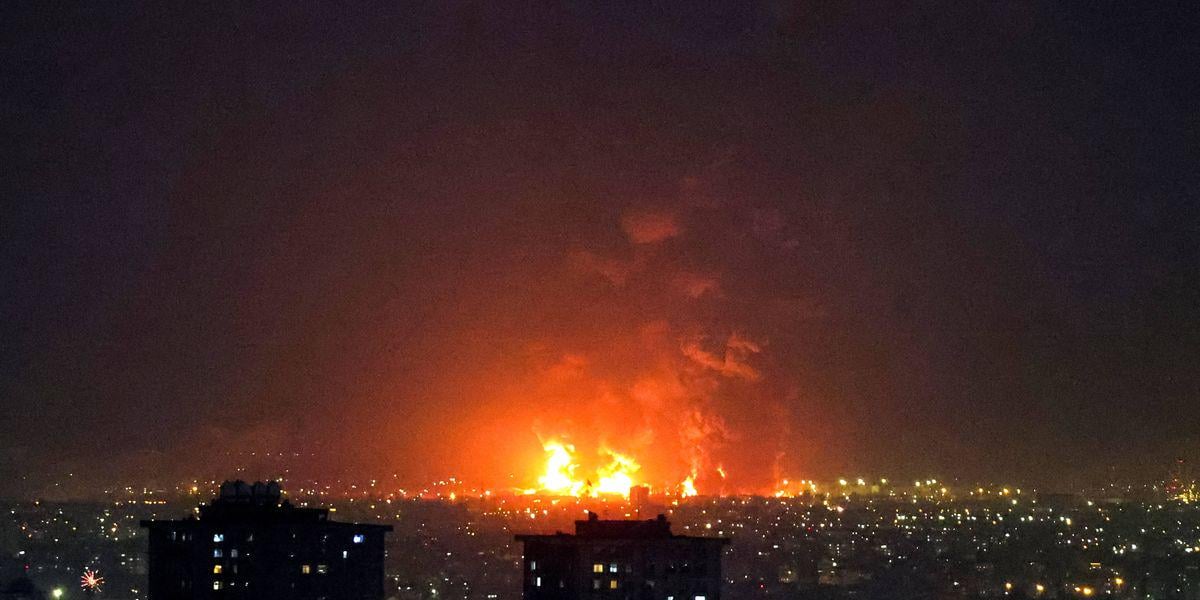
They are domestic depots…has no impact to international supplies.
theguy417 on
US and Israel just gave OPEC a 10 year supply of headlines
Tasty-Performer6669 on
USA DVDA-ing itself back into greatness!
OonaPelota on
The spice must flow. Baron Harkkonen should have had a better plan. This will cost him Arrakis.

19 Comments
Iran misunderstood the US government thinking that it actually cares about it’s people opinions..but now they understood US government is just like iranian government never cared about people as both government only cares about what israel does..rather than for their people
The Great American Self Infliction of the 21st century will be studied for a long time.
No one was has done more harm to the country then themselves.
Intentionally cruel is the very definition of the child rapist President of the United States of America. Totally absent of empathy, integrity or decency.
Absolutely shameful. We are literally funding our own economic ruin at the pump. Unbelievable.
Only a matter of time until Trump tried to steal their oil
You asked for this. You voted for it. Have a steaming plate.
What about all that oil we got from Venezuela?!?! Shouldnt that new supply of oil keep prices down? Didn’t we take back Venezuela so American companies can have their stakes back and produce more oil? Oh right, we did all that but it is NOT to be edit the American people.
Me with my soggy paper straw…
WE DO NOT GET OIL FROM IRAN. This strike won’t increase oil prices. What we do use is the straight of Hormuz which Iran is trying with some success to close. That’s what’s affecting prices. Not this.
Yes — there were credible reports in February 2026 that Iran was close to finalizing a deal with China for supersonic anti-ship missiles. But it’s important to understand what kind of missiles they were and why they mattered so much.
1. What the China–Iran missile deal was about
Iran was reportedly negotiating to buy Chinese CM-302 supersonic anti-ship cruise missiles. 
Key characteristics:
• Speed: about Mach 3–3.5 (supersonic)
• Range: roughly 290 km (180 miles)
• Type: anti-ship cruise missile
• Purpose: designed to hit large naval vessels such as destroyers or aircraft carriers
• Flight profile: sea-skimming and maneuvering to avoid radar and interception 
These missiles are the export version of China’s YJ-12, one of the faster anti-ship missiles currently on the market.
Analysts called it a potential “game changer” for naval warfare in the Persian Gulf because of how hard these missiles are to intercept. 
⸻
2. Why this mattered to the GCC (Saudi, UAE, Qatar, etc.)
For Gulf states, the main fear wasn’t land attack — it was control of the Gulf and the Strait of Hormuz.
If Iran had deployed these missiles along its coast:
They could threaten shipping lanes
About 20–30% of global oil and LNG passes through the Strait of Hormuz.
Supersonic anti-ship missiles positioned on Iran’s coast could:
• Target oil tankers
• Hit LNG carriers leaving Qatar
• Threaten naval escorts protecting shipping
That could mean:
• Oil prices spiking globally
• Insurance companies refusing to insure ships
• Gulf exports slowing or stopping
They could target GCC navies
The GCC fleets (Saudi, UAE, Bahrain, Qatar) are relatively small.
Supersonic missiles:
• Reduce reaction time dramatically
• Could overwhelm ship defenses if launched in salvos
That’s why Gulf countries invest heavily in Patriot, THAAD, and naval missile defense.
⸻
3. Why the United States was concerned
The biggest strategic implication was for U.S. aircraft carriers and naval forces in the Gulf.
The U.S. Navy relies on carriers operating in the region.
Supersonic anti-ship missiles:
• Travel 3–4× the speed of sound
• Can strike in minutes
• Are much harder to intercept than subsonic missiles
If Iran had dozens of them along the coast:
• A carrier strike group would have to operate farther from Iran
• The Strait of Hormuz could become a high-risk combat zone
• U.S. naval dominance in the Gulf would be challenged
⸻
4. The bigger geopolitical meaning
The deal also had strategic symbolism:
It would signal:
• China arming Iran more openly
• Iran moving deeper into the China–Russia security orbit
• Weakening of U.S. sanctions enforcement
It also would have violated or stretched existing UN arms restrictions. 
⸻
5. Why this matters in the current situation
The recent conflict has already shown how missiles change the balance.
Iran has launched large missile and drone barrages against regional states, hitting infrastructure and threatening shipping lanes. 
If they also had large numbers of Chinese supersonic anti-ship missiles, the Gulf could become extremely dangerous for:
• U.S. naval forces
• Gulf oil exports
• International shipping
⸻
💡 In plain terms:
Those missiles would have given Iran a much stronger ability to deny access to the Persian Gulf, threatening oil routes and U.S. carriers — which is why Washington and the Gulf states were watching that deal very closely.
Hey Trump voters, this is your fault, you’re going to fight in the Iran war, right?
Also our tax dollars being used to destroy finite resources and wreck the climate.
Iran can stop the commercial shipping lanes with drones easily, unless the US and Israel occupy their coast lines. Trump now faces a tough choice, boot on the ground?
Amerisrael making everything worse so the baby eating pedophilic elite can get their money?! Oh my God I’m shocked! Shocked I tell you! /s
Republicans do not care. Sure, they would prefer gas prices be lower but if this is the necessary trade-off in order to make the lives of the blacks, the browns, and the gays worse, they will happily absorb it or likelier, just shift blame to obama/biden/hilary. Folks need to realize that they voted for trump to hurt the people they consider outsiders. Thats it. As long as he is doing that, they are happy.
They are domestic depots…has no impact to international supplies.
US and Israel just gave OPEC a 10 year supply of headlines
USA DVDA-ing itself back into greatness!
The spice must flow. Baron Harkkonen should have had a better plan. This will cost him Arrakis.