In the middle of the desert sits a sign: “Caution docks may be slippery.”
They are not.
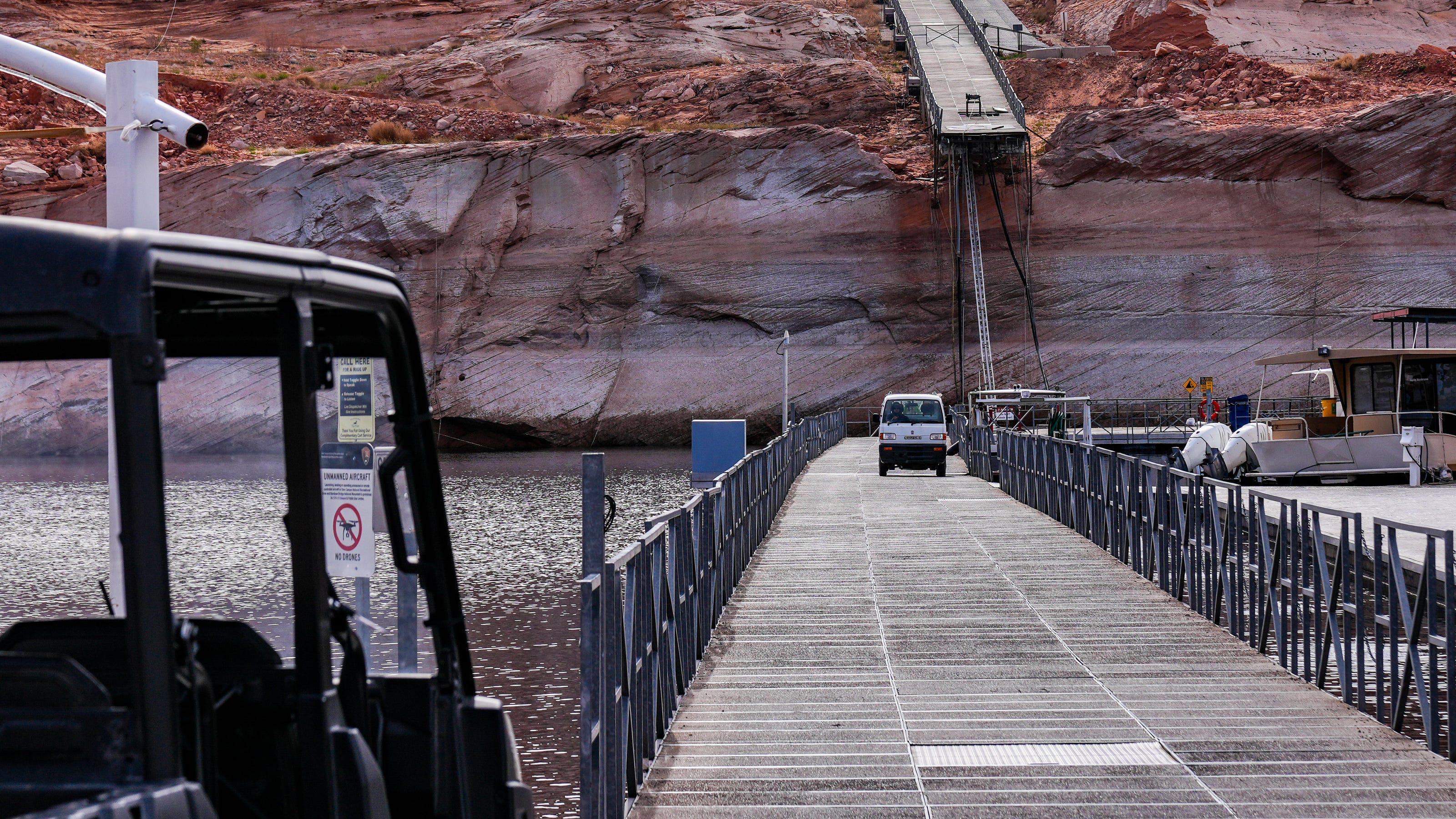
In fact, there’s not a drop of water to be seen at Antelope Point Marina, which once sat near the shore of Lake Powell, the nation’s second-largest reservoir. The sparkling Colorado River now laps at the Glen Canyon walls about 180 feet below, completely invisible from a dock that once floated atop the water.
Instead of reflecting the bright blue Arizona sky near the Four Corners region of the Southwest, the lake’s water level reflects the dire reality that the Colorado River is running out of water. And the dock with the sign dangles off a 100-foot cliff, waiting for a refill that climatologists say will likely never come.
Now, a public lands access group has proposed an eye-poppingly ambitious plan to build eight massive desalination plants off the California coastline, turning ocean water into fresh for farming, and reducing demand on the ailing Colorado River. To meet the energy demand, the plants might have to be powered with nuclear reactors.

1 Comment
From USA TODAY:
In the middle of the desert sits a sign: “Caution docks may be slippery.”
They are not.
In fact, there’s not a drop of water to be seen at Antelope Point Marina, which once sat near the shore of Lake Powell, the nation’s second-largest reservoir. The sparkling Colorado River now laps at the Glen Canyon walls about 180 feet below, completely invisible from a dock that once floated atop the water.
Instead of reflecting the bright blue Arizona sky near the Four Corners region of the Southwest, the lake’s water level reflects the dire reality that the Colorado River is running out of water. And the dock with the sign dangles off a 100-foot cliff, waiting for a refill that climatologists say will likely never come.
Now, a public lands access group has proposed an eye-poppingly ambitious plan to build eight massive desalination plants off the California coastline, turning ocean water into fresh for farming, and reducing demand on the ailing Colorado River. To meet the energy demand, the plants might have to be powered with nuclear reactors.
Read more about the plan: [https://www.usatoday.com/story/news/nation/2026/03/15/colorado-river-california-water-crisis-nuclear-power-desalination/88836231007/](https://www.usatoday.com/story/news/nation/2026/03/15/colorado-river-california-water-crisis-nuclear-power-desalination/88836231007/)