
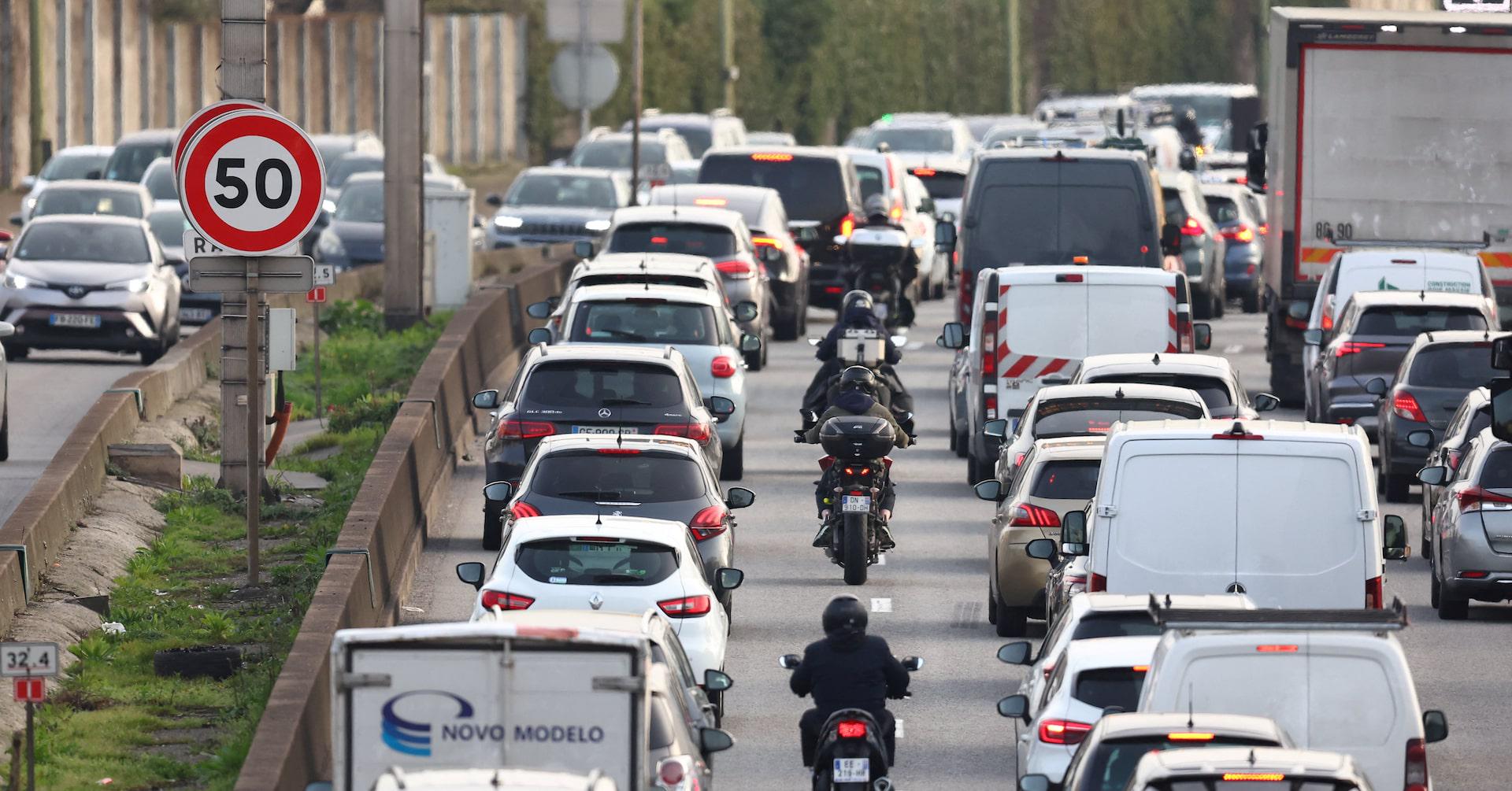
Europe is planning a carbon pricing revolution. Why does no one know about it? • ETS2 is scheduled to come into effect in 2028; puts a price on fossil fuels used for land transport and to heat buildings
Source: Naurgul
Europe is planning a carbon pricing revolution. Why does no one know about it? • ETS2 is scheduled to come into effect in 2028; puts a price on fossil fuels used for land transport and to heat buildings
Source: Naurgul
2 Comments
ETS2 is scheduled to come into effect in 2028. Whereas the existing ETS puts a price on the carbon pollution caused by major industries such as power generation, steel, shipping, aviation and cement, ETS2 does the same for fossil fuels used for land transport and to heat buildings.
As such it will impact as much as 40% of the EU’s total emissions – and the living costs of 450 million Europeans.
Modelling suggests ETS2 will raise the average EU household’s cost of living by roughly [300-500 euros per year](https://www.abnamro.com/research/en/our-research/esg-economist-how-will-eu-ets-2-nudge-households-energy-bills) once fully phased in, driven mainly by higher heating and transport fuel prices. These costs will be unevenly distributed, hitting low-income, rural and single-person households hardest. Political suicide? Not necessarily, because [studies also show](https://www.frontiersin.org/journals/environmental-science/articles/10.3389/fenvs.2025.1572246/full) that targeted revenue recycling – i.e. returning revenue raised to households and businesses – which is planned as an integral part of ETS2, can offset much of this burden and even leave many low- and middle-income households better off.
My gut feeling tells me they will cancel ETS 2 just before it starts