
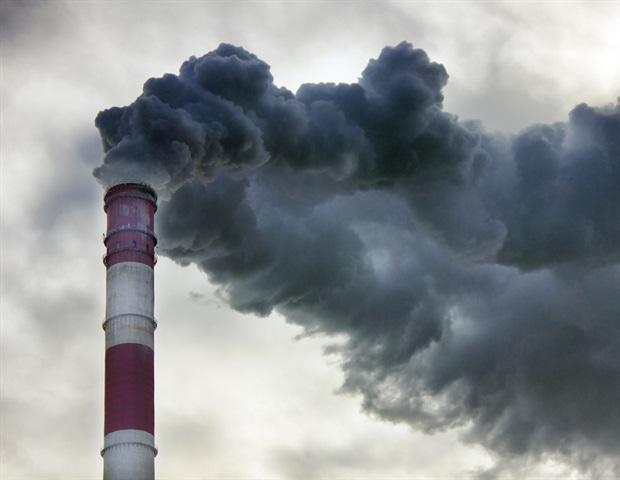
Long-term exposure to air pollution (PM2.5) raises risk of developing cancer by 11 % and of dying from cancer by 12 %. Despite more than 140 countries having air quality standards, only around one third enforce them, leaving populations exposed to avoidable cancer risks
Source: Wagamaga
1 Comment
The Union for International Cancer Control (UICC), with support from the Clean Air Fund, has released a global report, Clean air in cancer control: An overview of the evidence, presenting data on the scale of cancer risk and mortality from polluted air. The findings confirm that air pollution is not only a driver of lung cancer but also significantly increases the risk of developing multiple other cancers and of premature death.
Air pollution has long been known as a major health hazard and a major cancer risk factor, but until now the full picture of its impact on cancer incidence and survival beyond lung cancer had not been fully studied. This report helps close that gap.
“We have made huge strides in reducing deaths from cancer, but polluted air is silently undermining that progress. It is a risk people cannot opt out of, and one that disproportionately affects women, children and people living in poverty.” – Cary Adams, CEO of UICC
Key findings: What the report reveals
Air pollution is a multi-cancer risk factor:
Comparing people living with higher long-term PM2.5 levels to those in less polluted environments, the papers synthesized in the report suggest an 11 % higher overall risk of developing cancer.
Higher PM2.5 levels are associated with a 32 % higher incidence of liver cancer and with a 18 % increase in the odds of developing colorectal cancer.