The sprawling metropolis, also one of the world’s biggest cities, stretches out across a high-altitude lake and sits atop an ancient aquifer, which provides around 60% of drinking water for the city’s 22 million residents.
Over the years, this aquifer has been so over-pumped that it’s caused the land above it to subside. Over-extraction has also contributed to a chronic water crisis that has left the Mexico City facing a potential day zero, where taps run dry.
The city’s rapid sinking has been exacerbated by relentless urban development, with new infrastructure adding extra weight on top of the clay-rich soil.
The forecast is just the beginning. We’ll send you expert coverage and the stories behind the weather — so you always know more than just the number. Sign up for the newsletter
Mexico City’s subsidence was first documented in the 1920s, and in the years since, residents have experienced the impacts, with fractured roads, tilted buildings and damage to the train system.
New imagery from the NISAR satellite, a project between NASA and the Indian Space Research Organization, reveals the extent of the problem in startling detail.
GBeastETH on
I’m pretty sure you could see it from space even if it wasn’t sinking.

2 Comments
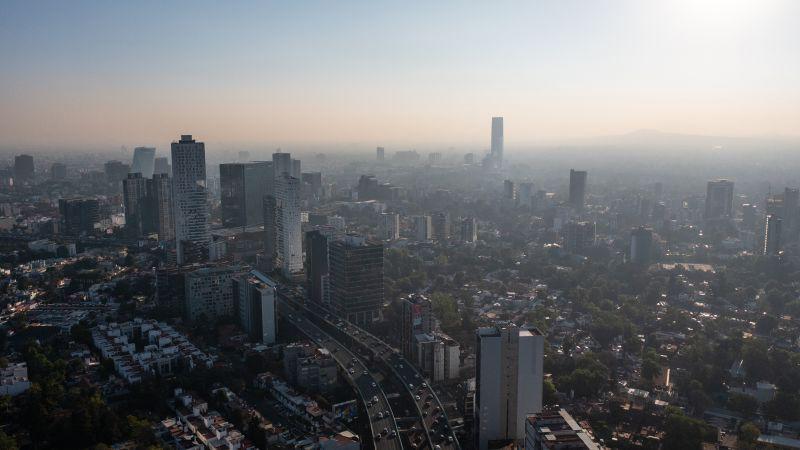
[Mexico City is sinking](https://www.cnn.com/2026/05/05/climate/mexico-city-sinking-nasa-aquifer-water?utm_medium=social&utm_campaign=missions&utm_source=reddit) at such an alarming rate that it’s visible from the space. Imagery from a powerful NASA radar system is revealing subsidence rates of more than 0.5 inches a month — making the city one of the planet’s fasting-sinking capitals.
The sprawling metropolis, also one of the world’s biggest cities, stretches out across a high-altitude lake and sits atop an ancient aquifer, which provides around 60% of drinking water for the city’s 22 million residents.
Over the years, this aquifer has been so over-pumped that it’s caused the land above it to subside. Over-extraction has also contributed to a chronic water crisis that has left the Mexico City facing a potential day zero, where taps run dry.
The city’s rapid sinking has been exacerbated by relentless urban development, with new infrastructure adding extra weight on top of the clay-rich soil.
The forecast is just the beginning. We’ll send you expert coverage and the stories behind the weather — so you always know more than just the number. Sign up for the newsletter
Mexico City’s subsidence was first documented in the 1920s, and in the years since, residents have experienced the impacts, with fractured roads, tilted buildings and damage to the train system.
New imagery from the NISAR satellite, a project between NASA and the Indian Space Research Organization, reveals the extent of the problem in startling detail.
I’m pretty sure you could see it from space even if it wasn’t sinking.