
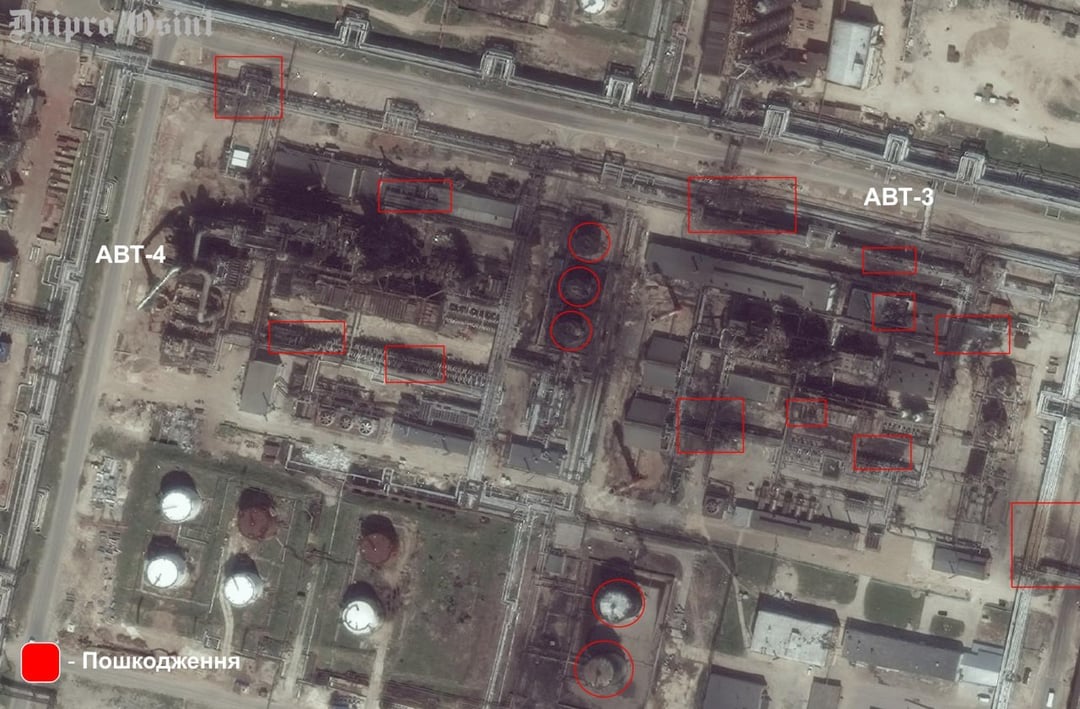
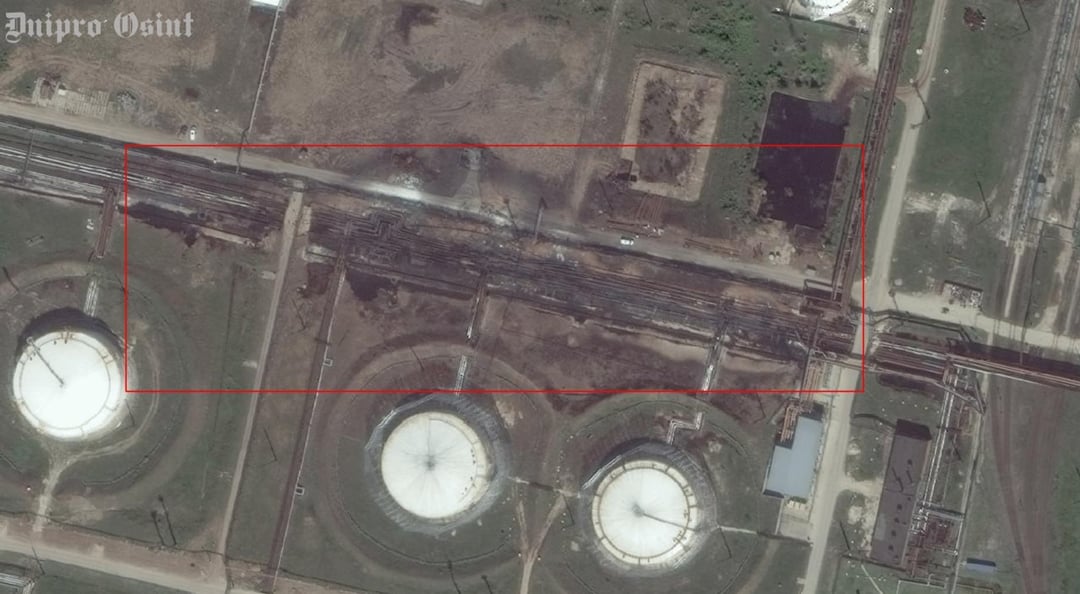
New high-res satellite images of the May 15 Ryazan refinery strike show more damage than first thought. 90-100% of refining capacity is out, Dnipro Osint reports.
Source: LowTechDroid
New high-res satellite images of the May 15 Ryazan refinery strike show more damage than first thought. 90-100% of refining capacity is out, Dnipro Osint reports.
Source: LowTechDroid
6 Comments
That’s some excellent point targeting. Stuff like this and the FSB “students” have gotten Putin’s attention. So they strike markets and the Chornobyl museum in return. Bunch of dumbasses.
Excellent work AFU 👏 👍 👌 💥 💥 💥
Wut AD doing?
Do I hear 110 % ?
Lots of FSB students gone.
Ryazan is one of Russia’s larger inland refineries when you’re talking 90-100% capacity loss, that’s not a couple weeks of patching. Primary distillation units don’t come back fast. Ukraine’s been working through Russian refining systematically since early 2024, and this kind of strike compounds the pressure on domestic fuel supply and military logistics both.
We’ve been tracking the refinery campaign at panopsik.com for over a year now. The strikes have been getting more precise, and the repeat hits on facilities that tried to restart are what really forces longer-term shutdowns. If the satellite assessment holds, Ryazan’s out for months minimum.
What’s less clear is how much spare capacity Russia still has to reroute. They’ve taken hits at multiple sites this year.