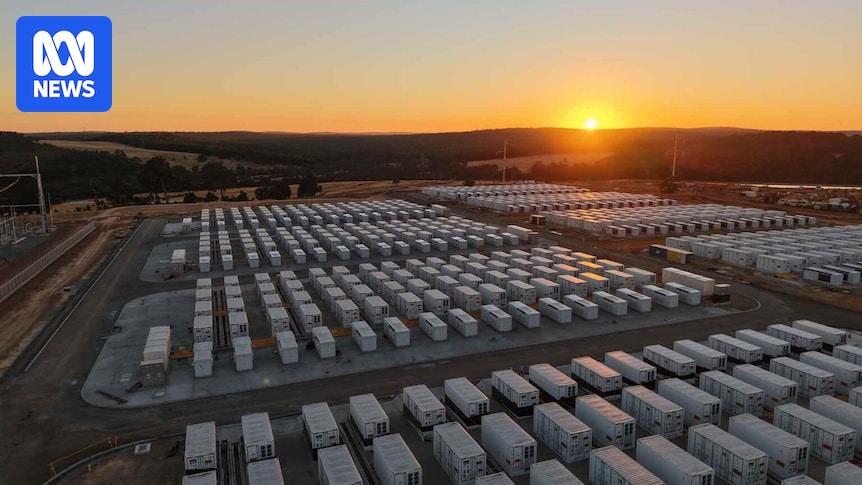
With these batteries taking so much of the peak demand in the evenings, I’m wondering whether we’ll see these gas peaking plants become uneconomic in the near future. Some of the graphs in the story are crazy, showing 30% of grid demand at peak times being supplied by batteries. Looks like price stability is the outcome and hopefully cheaper power for all.
Rizza1122 on
Labor got on with ok climate policy and we’re reaping the rewards. How long has it been since the default offer went down?
Generally June-August are the months with the most CO2 emissions. It is the worst months that tell you how far you have to go, not the cherry picked best day of the year.

3 Comments
With these batteries taking so much of the peak demand in the evenings, I’m wondering whether we’ll see these gas peaking plants become uneconomic in the near future. Some of the graphs in the story are crazy, showing 30% of grid demand at peak times being supplied by batteries. Looks like price stability is the outcome and hopefully cheaper power for all.
Labor got on with ok climate policy and we’re reaping the rewards. How long has it been since the default offer went down?
Also for those that keep bringing up the $275,
https://www.theguardian.com/australia-news/2023/feb/10/angus-taylor-behind-decision-to-delay-energy-price-rise-report-until-after-2022-election
The graph “At 5:20pm on May 9, 2026” shows that to get to 82% in 4 years they need double the wind, double the solar, and 150% more batteries.
They won’t of course.
Bear in mind this day was cherry picked. May 14 2026 was a very different story.
Here’s the data source [https://explore.openelectricity.org.au/energy/wem/?range=1y&interval=1d&view=discrete-time&group=Detailed](https://explore.openelectricity.org.au/energy/wem/?range=1y&interval=1d&view=discrete-time&group=Detailed)
Generally June-August are the months with the most CO2 emissions. It is the worst months that tell you how far you have to go, not the cherry picked best day of the year.