Hmm… Only viable in hot dry deserts, but needs constant water supply to work. This seems problematic.
Power production continuing overnight, but you’d need to have a cost/benefit analysis of photovoltaic + battery, vs. this system, to see how it pans out. Also sounds like while you get some power output overnight, it’s something like 1/2 the daytime output. So not a true baseload type power source, and doesn’t have the dispatchability benefit that a battery-backed system would have, hence overall less valuable.
MeshNets on
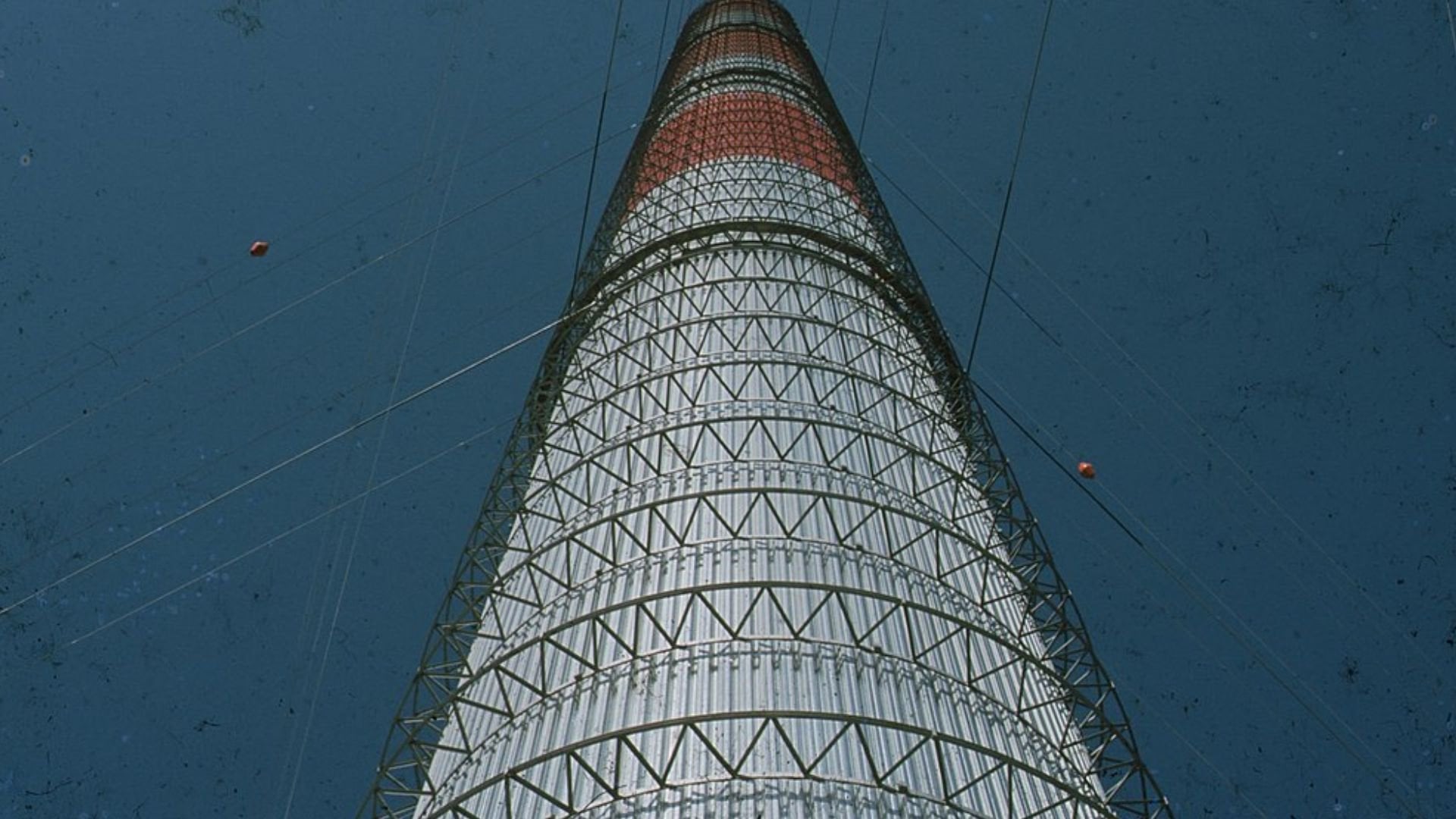
>The researchers’ innovative approach involved placing a secondary tower outside the updraft tower and sprinkling a mist of water on the dry, hot air that had been through the turbine once.
>The addition of water makes the air heavier and cooler, which then begins to fall toward the Earth as a result of gravity. This downdraft is then allowed to flow through these smaller channels arranged externally to the chimney tower and also have turbines that generate more electricity.
There is a diagram in the article
I guess you wouldn’t necessarily need clean water for this. I could also see being able to feed the output air into a condenser to extract cold-distilled water from this too, at a marginal loss of power depending on how much water output you need relative to the input

2 Comments
Hmm… Only viable in hot dry deserts, but needs constant water supply to work. This seems problematic.
Power production continuing overnight, but you’d need to have a cost/benefit analysis of photovoltaic + battery, vs. this system, to see how it pans out. Also sounds like while you get some power output overnight, it’s something like 1/2 the daytime output. So not a true baseload type power source, and doesn’t have the dispatchability benefit that a battery-backed system would have, hence overall less valuable.
>The researchers’ innovative approach involved placing a secondary tower outside the updraft tower and sprinkling a mist of water on the dry, hot air that had been through the turbine once.
>The addition of water makes the air heavier and cooler, which then begins to fall toward the Earth as a result of gravity. This downdraft is then allowed to flow through these smaller channels arranged externally to the chimney tower and also have turbines that generate more electricity.
There is a diagram in the article
I guess you wouldn’t necessarily need clean water for this. I could also see being able to feed the output air into a condenser to extract cold-distilled water from this too, at a marginal loss of power depending on how much water output you need relative to the input