Ownership of electric vehicles continues to rise in the U.S., with nearly six million battery electric vehicles and plug-in hybrids currently on the road. Even though that’s still a fraction of the overall market and the growth rate of EV sales has slowed, automakers remain invested in the eventual transition away from gasoline, as 2024 sales of traditional internal combustion engine cars fell below 80% for the first time in modern automotive history.
Continued EV sales growth shows that at least for a significant portion of auto consumers, range anxiety is no longer an issue. But it is a persistent fear in the EV market that is getting a new test with the Trump administration looking to slash EV incentives from the federal government.
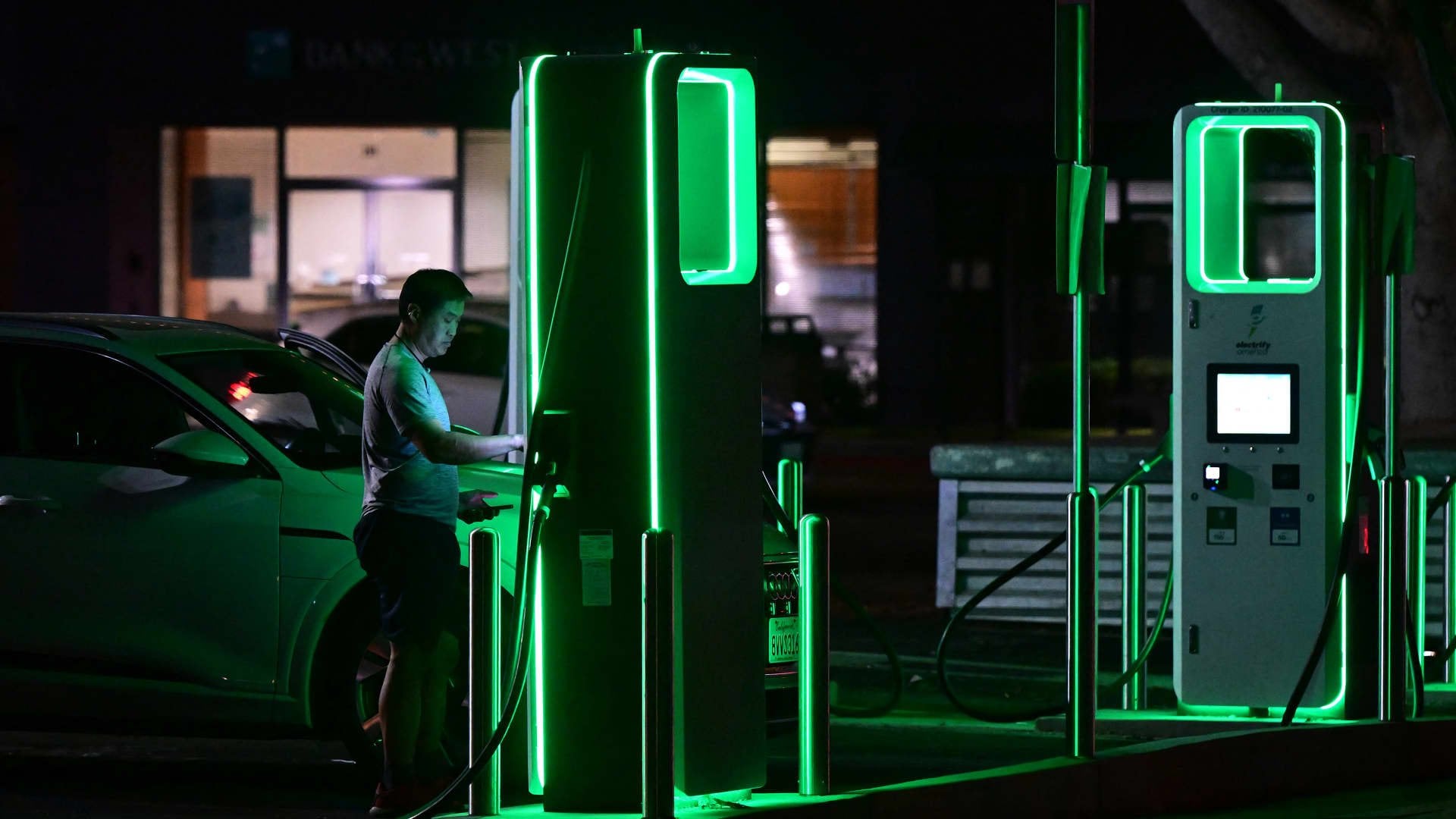
According to the latest figures compiled by Paren AFDC+ Charger Database, there are 68,000 public and private Level 3 (fastest) and Level 2 EV charging stations across the country, each with one or more individual ports, for a total of around 266,000 ports. Installing, operating and servicing the chargers, it’s an industry that is a fundamental driver of widescale EV adoption — and right now, it’s an industry that is struggling to maintain traction in what has lately become an uncertain and politicized marketplace.
Despite a recent surprise Tesla’s sales event at the White House, Trump and his top administration officials — from Transportation Secretary Sean Duffy to Treasury Secretary Scott Bessent and Energy Secretary and former fossil fuels industry CEO Chris Wright — have made it clear that stripping away federal support for EVs is among changes being sought as they prioritize oil and gas in energy policy. Already impacted by the slowdown in EV sales, charging companies are battling a recent freeze on an important federal funding program, while also waiting to see how OEMs are affected by the Trump administration’s tariffs and resulting trade wars, particularly involving essential steel and aluminum.

3 Comments
Ownership of electric vehicles continues to rise in the U.S., with nearly six million battery electric vehicles and plug-in hybrids currently on the road. Even though that’s still a fraction of the overall market and the growth rate of EV sales has slowed, automakers remain invested in the eventual transition away from gasoline, as 2024 sales of traditional internal combustion engine cars fell below 80% for the first time in modern automotive history.
Continued EV sales growth shows that at least for a significant portion of auto consumers, range anxiety is no longer an issue. But it is a persistent fear in the EV market that is getting a new test with the Trump administration looking to slash EV incentives from the federal government.
According to the latest figures compiled by Paren AFDC+ Charger Database, there are 68,000 public and private Level 3 (fastest) and Level 2 EV charging stations across the country, each with one or more individual ports, for a total of around 266,000 ports. Installing, operating and servicing the chargers, it’s an industry that is a fundamental driver of widescale EV adoption — and right now, it’s an industry that is struggling to maintain traction in what has lately become an uncertain and politicized marketplace.
Despite a recent surprise Tesla’s sales event at the White House, Trump and his top administration officials — from Transportation Secretary Sean Duffy to Treasury Secretary Scott Bessent and Energy Secretary and former fossil fuels industry CEO Chris Wright — have made it clear that stripping away federal support for EVs is among changes being sought as they prioritize oil and gas in energy policy. Already impacted by the slowdown in EV sales, charging companies are battling a recent freeze on an important federal funding program, while also waiting to see how OEMs are affected by the Trump administration’s tariffs and resulting trade wars, particularly involving essential steel and aluminum.
More: [https://cnb.cx/3DNegt2](https://cnb.cx/3DNegt2)
1988 was a lovely year…
At the end we all lose