For several decades now, the story of the world’s rainforests has been the same tragic one: These iconic, animal-filled ecosystems are getting cut down to make way for farms and ranches, roads and mines. And it doesn’t appear to be changing. In 2024, the most recent year of global forest data, the tropics [lost](https://gfr.wri.org/latest-analysis-deforestation-trends) a record 16.6 million acres of primary fores , largely to fires and agriculture. More than half of that recent loss was in Brazil and Bolivia.
But one country has a very different narrative: Costa Rica.
In the late 20th century, Costa Rica — a Central American nation a little smaller than West Virginia — had one of the highest deforestation rates in the world. The country was losing [more than 100,000 acres](https://link.springer.com/article/10.1023/A:1012659129083) a year. And by 1985, forests covered less than 25 percent of its area, down from closer to three-quarters just a few decades earlier.
One reason that gets a lot of attention is that Costa Rica put a price tag on nature — on the natural “services” that forests provide, from sucking up planet-warming carbon dioxide to sustaining the local water supply. Nearly three decades ago, the country began paying private landowners for those services, if they conserve or restore forests on their property. That created a concrete, financial incentive to keep forests standing. Costa Rica was [the first country](https://www.cell.com/heliyon/fulltext/S2405-8440%2823%2909569-5) in the world to implement a national “payment for ecosystem services” scheme.

1 Comment
For several decades now, the story of the world’s rainforests has been the same tragic one: These iconic, animal-filled ecosystems are getting cut down to make way for farms and ranches, roads and mines. And it doesn’t appear to be changing. In 2024, the most recent year of global forest data, the tropics [lost](https://gfr.wri.org/latest-analysis-deforestation-trends) a record 16.6 million acres of primary fores , largely to fires and agriculture. More than half of that recent loss was in Brazil and Bolivia.
But one country has a very different narrative: Costa Rica.
In the late 20th century, Costa Rica — a Central American nation a little smaller than West Virginia — had one of the highest deforestation rates in the world. The country was losing [more than 100,000 acres](https://link.springer.com/article/10.1023/A:1012659129083) a year. And by 1985, forests covered less than 25 percent of its area, down from closer to three-quarters just a few decades earlier.
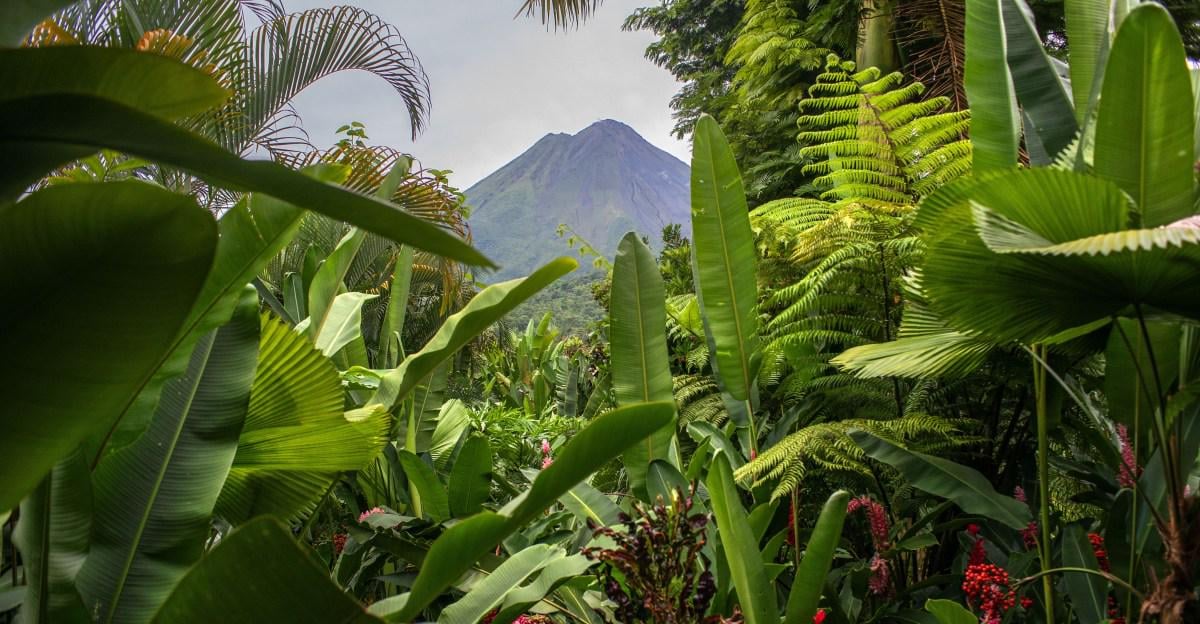
But then, near the start of the millennium, the trend abruptly flipped. Deforestation plummeted, and trees started growing back. Now, natural forests blanket [well over half of Costa Rica](https://www.globalforestwatch.org/dashboards/country/CRI/?category=land-cover&location=WyJjb3VudHJ5IiwiQ1JJIl0%3D&map=eyJjYW5Cb3VuZCI6dHJ1ZX0%3D), making it one of the few places on Earth that has revived its lost ecosystems.
How did Costa Rica do it?
One reason that gets a lot of attention is that Costa Rica put a price tag on nature — on the natural “services” that forests provide, from sucking up planet-warming carbon dioxide to sustaining the local water supply. Nearly three decades ago, the country began paying private landowners for those services, if they conserve or restore forests on their property. That created a concrete, financial incentive to keep forests standing. Costa Rica was [the first country](https://www.cell.com/heliyon/fulltext/S2405-8440%2823%2909569-5) in the world to implement a national “payment for ecosystem services” scheme.