It’s pretty much impossible to live a life free of environmental harm. The cleanest energy relies on mining. Critical medical supplies produce plastic waste. Even organic foods are typically grown with pesticides.
But there is one thing you could do immediately that would help the planet a heck of a lot: eat less beef.
I know, I know; for most omnivores, beef is hard to give up. The cheeseburger is one of the only truly American foods, and meat-free alternatives are not yet *perfect* mimics (though, in taste, some plant-based products [come extremely close](https://www.vox.com/future-perfect/409175/meat-plant-based-blind-taste-test)).
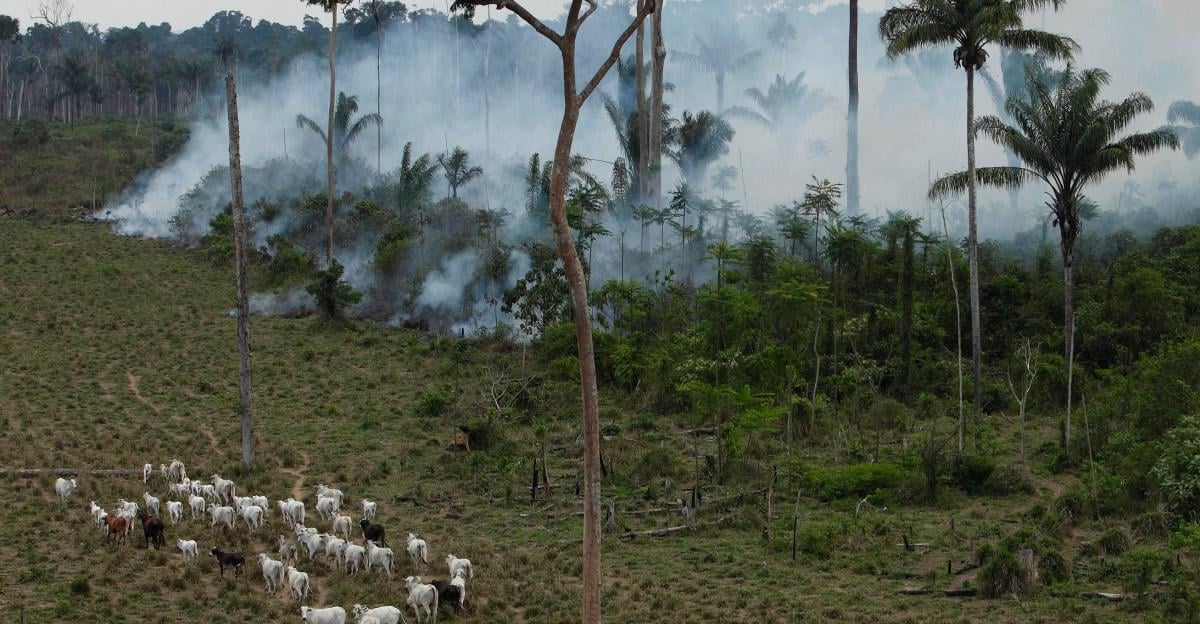
Yet, the data is incredibly clear and incredibly compelling: Of all the foods we produce on Earth, beef is the No. 1 destroyer of forests, and especially rainforests. Raising cattle for meat not only endangers wildlife but fuels climate change — in a big way.
That’s one takeaway of a [large-scale analysis](https://www.nature.com/articles/s43016-026-01305-4) of global deforestation published today in *Nature Food*. The study authors explored where around the world trees have disappeared over the last two decades and then linked that loss to dozens of different commodities grown on land, from cattle and corn to coffee and cacao.
Eukelek on
I feel the conversation lacks guidelines for a regulatory framework on cattle ranch development. What criteria should Brazil or Australia or South Africa or México use to grow cattle more sustainably using existing agricultural land, etc.
Also, each climate and biome may need different approaches. Forest consumption and/or destruction by acre will eventually go to zero, the question is when, and how? Ideally net forest land areas should grow. So what is it going to be?

2 Comments
It’s pretty much impossible to live a life free of environmental harm. The cleanest energy relies on mining. Critical medical supplies produce plastic waste. Even organic foods are typically grown with pesticides.
But there is one thing you could do immediately that would help the planet a heck of a lot: eat less beef.
I know, I know; for most omnivores, beef is hard to give up. The cheeseburger is one of the only truly American foods, and meat-free alternatives are not yet *perfect* mimics (though, in taste, some plant-based products [come extremely close](https://www.vox.com/future-perfect/409175/meat-plant-based-blind-taste-test)).
Yet, the data is incredibly clear and incredibly compelling: Of all the foods we produce on Earth, beef is the No. 1 destroyer of forests, and especially rainforests. Raising cattle for meat not only endangers wildlife but fuels climate change — in a big way.
That’s one takeaway of a [large-scale analysis](https://www.nature.com/articles/s43016-026-01305-4) of global deforestation published today in *Nature Food*. The study authors explored where around the world trees have disappeared over the last two decades and then linked that loss to dozens of different commodities grown on land, from cattle and corn to coffee and cacao.
I feel the conversation lacks guidelines for a regulatory framework on cattle ranch development. What criteria should Brazil or Australia or South Africa or México use to grow cattle more sustainably using existing agricultural land, etc.
Also, each climate and biome may need different approaches. Forest consumption and/or destruction by acre will eventually go to zero, the question is when, and how? Ideally net forest land areas should grow. So what is it going to be?