
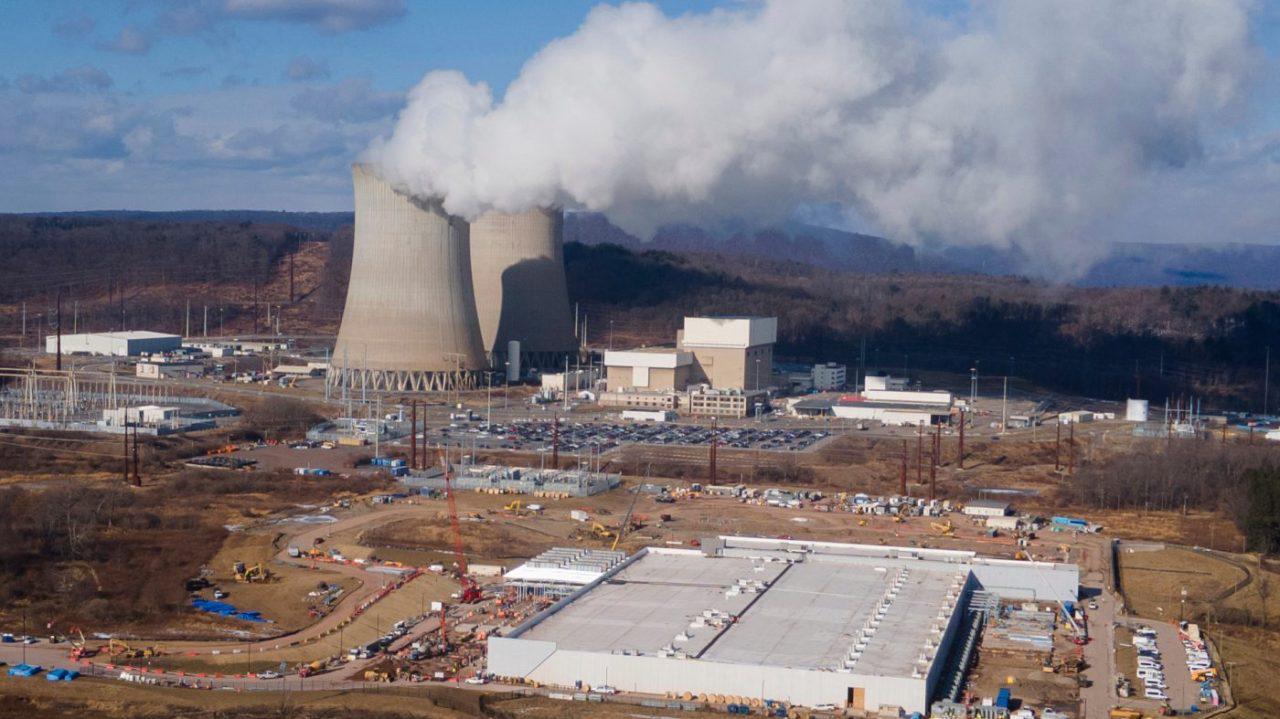
This week, Trump announced something called the "Ratepayer Protection Pledge" at the State of the Union where Google, Microsoft, Amazon, and a bunch of other hyperscalers committed to funding their own power needs instead of raising residential utility bills. Energy Secretary Chris Wright said all the brand-name companies signed on.
Energy experts immediately called it meaningless because it has no enforcement mechanism. It's a voluntary corporate commitment with nothing binding them to it legally. But the signal is pretty clear. The White House understands that AI electricity costs are becoming a real political problem and they want Big Tech on record as the ones responsible for it.
The interesting part is what happened next. Senators Josh Hawley (Republican from Missouri) and Richard Blumenthal (Democrat from Connecticut) introduced the GRID Act the same week. It's the first bipartisan federal bill that actually requires data centers over 20 megawatts to source all their power outside the public grid. Existing facilities get a 10-year transition window. When a populist Republican and a liberal Democrat land on the exact same policy answer, it tells you something about where this is headed.
Amazon backed up the pledge immediately with a $12 billion data center deal in Louisiana where they're covering 100% of the grid upgrade costs. No ratepayer money involved. Google announced a 1.9 gigawatt clean energy package in Minnesota with a massive iron-air battery that stores power for 100 hours, and they're covering the full cost under Minnesota's large-load customer framework.
Source: peachforbreakfast
1 Comment
$GEV, $SMR, others. let’s go. With a 10 year horizon that should be plenty of time.