The [critical system of ocean currents](https://www.cnn.com/2025/11/15/climate/iceland-warming-current-amoc-collapse-threat) which loops around the Atlantic Ocean is weakening and could be far closer to collapse than previously thought, according to two new studies — an event which would have catastrophic impacts on the planet’s weather and climate.
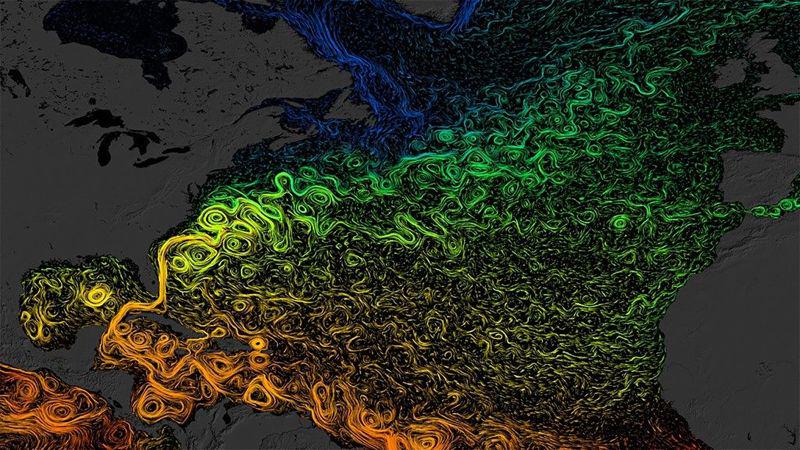
The Atlantic Meridional Overturning Circulation, known as the AMOC, functions like a vast conveyor belt, transporting heat, salt and freshwater through the ocean and influencing climate, weather and sea levels around the planet.

2 Comments
The [critical system of ocean currents](https://www.cnn.com/2025/11/15/climate/iceland-warming-current-amoc-collapse-threat) which loops around the Atlantic Ocean is weakening and could be far closer to collapse than previously thought, according to two new studies — an event which would have catastrophic impacts on the planet’s weather and climate.
The Atlantic Meridional Overturning Circulation, known as the AMOC, functions like a vast conveyor belt, transporting heat, salt and freshwater through the ocean and influencing climate, weather and sea levels around the planet.
A [growing body](https://www.cnn.com/2023/07/25/world/gulf-stream-atlantic-current-collapse-climate-scn-intl) of research suggests it’s weakening as human-driven global warming disrupts its delicate balance of heat and salinity, with one study even predicting it could collapse [as soon as next decade](https://www.cnn.com/2024/08/02/climate/atlantic-circulation-collapse-timing). But the AMOC is complex and has only been continuously monitored since 2004. Climate models generally agree it’s on course to weaken this century, but there is a huge amount of uncertainty about the extent of its decline.
The stakes are incredibly high; an AMOC collapse, which last happened roughly 12,000 years ago, [would cause chaos](https://www.cnn.com/2025/06/11/climate/ocean-currents-amoc-collapse-extreme-cold). It would push Europe into a winter deep freeze, [accelerate sea level rise](https://www.cnn.com/2025/05/16/climate/ocean-currents-sea-level-rise-northeast) along the East Coast of the US and drive prolonged droughts across a swath of Africa.
“Faster than expected”