I’ve been a bit irascible lately over the term massive, When applied to Russia’s shahed drone assault program.
Much of it arises out of disgust over the rather breathless coverage of the actually massive assault over the previous couple days where over 1600 drones missiles and other munitions were launched at Ukraine. It’s just the wrong story.
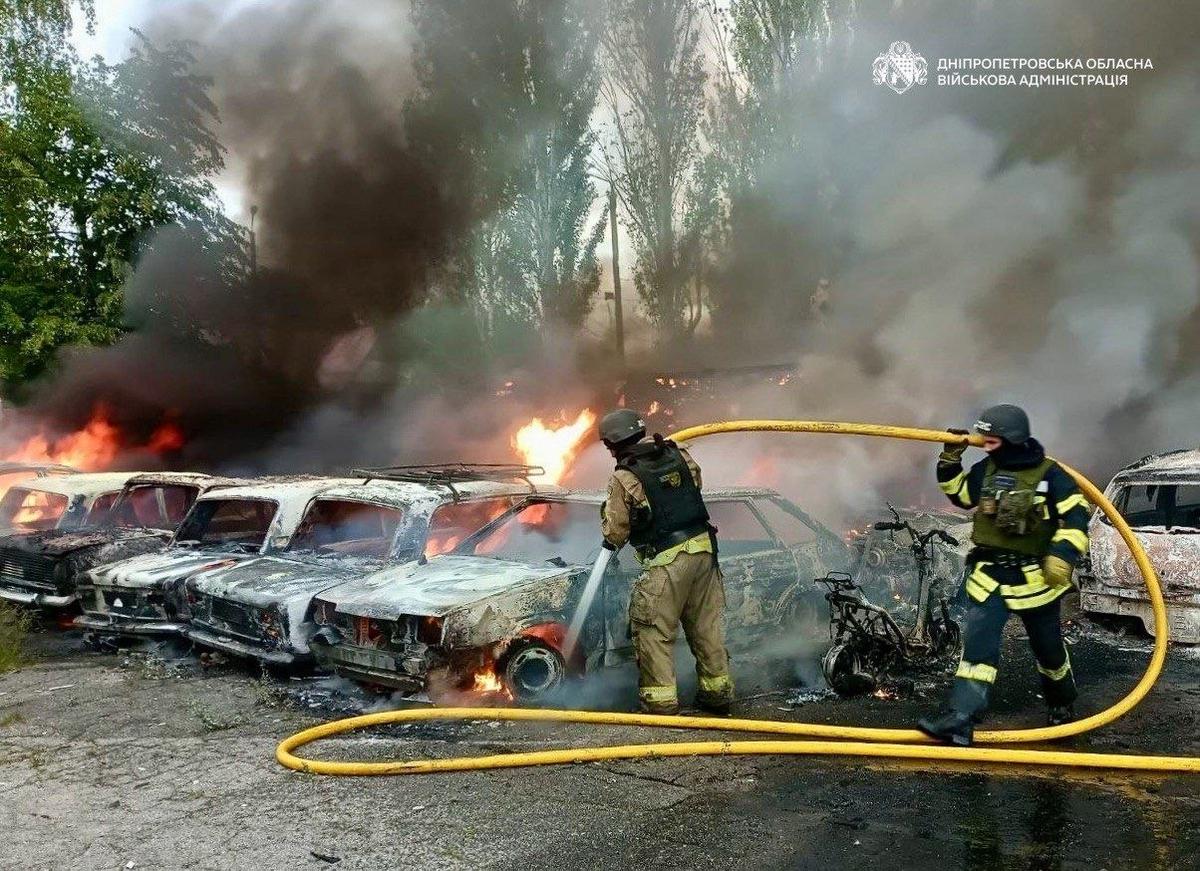
It isn’t that Russia is failing to do damage, Because they really are. People are dying. People always die in war, and the civilian deaths, particularly of children, pensioners, and other non combatants, is particularly tragic . And make no mistake, Russia targets soft civilian buildings at the expense of hardened industrial facilities, training grounds, or even airfields. It is a war crime. And any attempt to minimize these losses comes across as callous, which I certainly I’m not- these deaths should not be happening.
But the true story isn’t these failures, it is the incredible, resounding success of the Ukrainian drone interception program. Let’s look at last night: Russia attacked Ukraine with 269 drones. Twenty of those drones successfully evaded interception. That’s an interception rate of a little over 92.5%. Of the drones an intercepted, a good third or half didn’t hit any target, Giving the raid as a whole, a failure rate in excess of 95%.
To get pedantic for a moment, a shahed or similar drone carries a warhead of between 60 and 100 kilograms , roughly 125 to 200 pounds of explosive material. Quick math tells us that the total raid delivered 4000 lbs and effectively delivered 3000 lbs of high explosives to the entire country of Ukraine. For a quick comparison, a single F15 fighter bomber carries a payload of 15,000. So Russia’s entire effort last night was about 1/5 of a single plane bomb load. Let’s reach back a date further to the 2 day total of roughly 1600 drones Russia accumulated during the ceasefire and fired off all at once and has generated apocalyptic headlines for it being so massive and destructive,( we’ll ignore that news sites aggregated the total of 2 full days to reach that number as it sounded more apocalyptic ). At an intercept rate of 94.8, roughly 40 drones a day slipped through, so roughly an F-15 rate over the two days.
This is an incredible, almost impossible, success on the part of Ukraine.
And it’s getting better- When the Receptor drone program came online roughly 8 weeks ago, the success rate was closer to 80% and keeps inching up as more anti drone missile nose are being placed. It is uncommon to not have an interception rate over 90%. And this will grow as more nodes are placed in secondary and tertiary target cities or as more nodes are placed to address unusual attack vectors, such as Odessa been attacked from the sea or western Ukraine attacked by drum corridors over Belarus.
A few caveats.
First, Drone hits are always going to be part of the news, particularly because Russia is using them as a terror weapon and not a military attack. Hitting apartment buildings is always going to draw headlines because real people get real hurt. It is my expectation that even these stories will diminish with more drone nodes protecting residential neighborhoods as well as industrial and military corps areas. The simple math is that Ukraine is continuing to manufacture many more drone interceptors than Russia can make drones, so coverage we’ll only get better.
Second, the attacks are going to continue and any time there is a substantial number of drones in a wave there’s going to be breathless headlines about how massive an attack is. I find these headlines unhelpful and unnecessarily demoralizing. They give people a fatalistic despair that it will never end and that they’re losing, when in fact it is just a tragic part of war.
3rd, it’s time to decouple the reporting on the drone waves from reports and discussion of true attacks by missiles, cruise missiles and other expensive yet affective assaults. Interception of drones is nearly a done deal And discussion of this doesn’t belong in the same conversation with munitions requiring true military dedicated interception systems, of which Ukraine does not have enough. Luckily, Russia doesn’t have enough of these either and there’s still an interception success rate in the 70 to 80% range of even these dangerous and more powerful weapons. And the shortage of interceptors is a serious concern. But maybe it should be a separate discussion from how to deal with flying mopeds.

1 Comment
I’ve been a bit irascible lately over the term massive, When applied to Russia’s shahed drone assault program.
Much of it arises out of disgust over the rather breathless coverage of the actually massive assault over the previous couple days where over 1600 drones missiles and other munitions were launched at Ukraine. It’s just the wrong story.
It isn’t that Russia is failing to do damage, Because they really are. People are dying. People always die in war, and the civilian deaths, particularly of children, pensioners, and other non combatants, is particularly tragic . And make no mistake, Russia targets soft civilian buildings at the expense of hardened industrial facilities, training grounds, or even airfields. It is a war crime. And any attempt to minimize these losses comes across as callous, which I certainly I’m not- these deaths should not be happening.
But the true story isn’t these failures, it is the incredible, resounding success of the Ukrainian drone interception program. Let’s look at last night: Russia attacked Ukraine with 269 drones. Twenty of those drones successfully evaded interception. That’s an interception rate of a little over 92.5%. Of the drones an intercepted, a good third or half didn’t hit any target, Giving the raid as a whole, a failure rate in excess of 95%.
To get pedantic for a moment, a shahed or similar drone carries a warhead of between 60 and 100 kilograms , roughly 125 to 200 pounds of explosive material. Quick math tells us that the total raid delivered 4000 lbs and effectively delivered 3000 lbs of high explosives to the entire country of Ukraine. For a quick comparison, a single F15 fighter bomber carries a payload of 15,000. So Russia’s entire effort last night was about 1/5 of a single plane bomb load. Let’s reach back a date further to the 2 day total of roughly 1600 drones Russia accumulated during the ceasefire and fired off all at once and has generated apocalyptic headlines for it being so massive and destructive,( we’ll ignore that news sites aggregated the total of 2 full days to reach that number as it sounded more apocalyptic ). At an intercept rate of 94.8, roughly 40 drones a day slipped through, so roughly an F-15 rate over the two days.
This is an incredible, almost impossible, success on the part of Ukraine.
And it’s getting better- When the Receptor drone program came online roughly 8 weeks ago, the success rate was closer to 80% and keeps inching up as more anti drone missile nose are being placed. It is uncommon to not have an interception rate over 90%. And this will grow as more nodes are placed in secondary and tertiary target cities or as more nodes are placed to address unusual attack vectors, such as Odessa been attacked from the sea or western Ukraine attacked by drum corridors over Belarus.
A few caveats.
First, Drone hits are always going to be part of the news, particularly because Russia is using them as a terror weapon and not a military attack. Hitting apartment buildings is always going to draw headlines because real people get real hurt. It is my expectation that even these stories will diminish with more drone nodes protecting residential neighborhoods as well as industrial and military corps areas. The simple math is that Ukraine is continuing to manufacture many more drone interceptors than Russia can make drones, so coverage we’ll only get better.
Second, the attacks are going to continue and any time there is a substantial number of drones in a wave there’s going to be breathless headlines about how massive an attack is. I find these headlines unhelpful and unnecessarily demoralizing. They give people a fatalistic despair that it will never end and that they’re losing, when in fact it is just a tragic part of war.
3rd, it’s time to decouple the reporting on the drone waves from reports and discussion of true attacks by missiles, cruise missiles and other expensive yet affective assaults. Interception of drones is nearly a done deal And discussion of this doesn’t belong in the same conversation with munitions requiring true military dedicated interception systems, of which Ukraine does not have enough. Luckily, Russia doesn’t have enough of these either and there’s still an interception success rate in the 70 to 80% range of even these dangerous and more powerful weapons. And the shortage of interceptors is a serious concern. But maybe it should be a separate discussion from how to deal with flying mopeds.