Suddenly, learning Portuguese is moving to the very top of my Duolingo list. Good for Brazil
AppleTree98 on
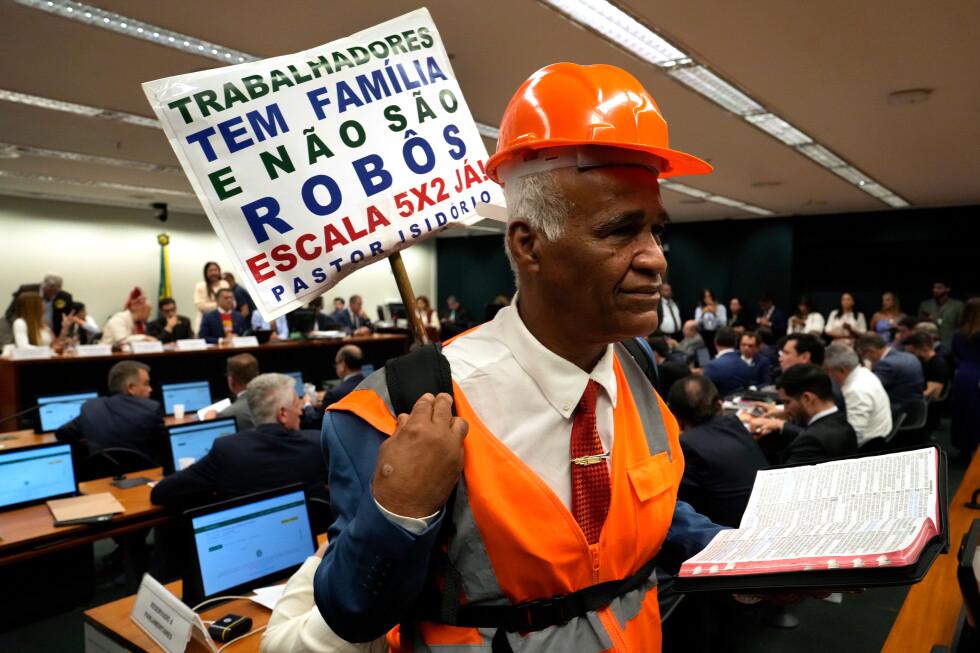
>Currently, Brazilians work five eight-hour days and four hours on a sixth day for 44 hours total. The amendment ends the six-day workweek without reducing pay for at least 37 million people and establishes a 40-hour weekly work limit. It guarantees two consecutive 24-hour rest days each week, preferably Saturdays and Sundays.
DryRug on
Meanwhile germany is trying to get rid of its 8-hour days
ArgentineBeauty on
Chile and Mexico have recently passed similar laws and I’m glad Brazil is moving in the same direction. Hope it passes in the senate and that Argentina passes a similar law in the near future.
inocima on
Brazil is passing a law, but in practical terms it will only drive people to informal labor, with even less benefits than the current status.
A law being written and it being followed are completely different things in Brazil. A lot of laws are completely ignored and unenforced.
Curious-Basket-7934 on
Finland and its female President worked on 28 hour weeks being made legal.
Zoidberg0_0 on
If they work more do they get paid overtime? Or are they barred from working more than 40 hours completely?
macross1984 on
I once worked at a company that offered 3-day, 36-hour shift and it was great once I got used to initial shock of getting used to working longer hours and having four days off.

8 Comments
Suddenly, learning Portuguese is moving to the very top of my Duolingo list. Good for Brazil
>Currently, Brazilians work five eight-hour days and four hours on a sixth day for 44 hours total. The amendment ends the six-day workweek without reducing pay for at least 37 million people and establishes a 40-hour weekly work limit. It guarantees two consecutive 24-hour rest days each week, preferably Saturdays and Sundays.
Meanwhile germany is trying to get rid of its 8-hour days
Chile and Mexico have recently passed similar laws and I’m glad Brazil is moving in the same direction. Hope it passes in the senate and that Argentina passes a similar law in the near future.
Brazil is passing a law, but in practical terms it will only drive people to informal labor, with even less benefits than the current status.
A law being written and it being followed are completely different things in Brazil. A lot of laws are completely ignored and unenforced.
Finland and its female President worked on 28 hour weeks being made legal.
If they work more do they get paid overtime? Or are they barred from working more than 40 hours completely?
I once worked at a company that offered 3-day, 36-hour shift and it was great once I got used to initial shock of getting used to working longer hours and having four days off.