
The river that supplies 40 million Americans is down to 23% — and about to make a $25 million bet on one fish
Source: fortune
The river that supplies 40 million Americans is down to 23% — and about to make a $25 million bet on one fish
Source: fortune
2 Comments
As the Colorado River and its once massive reservoirs shrink from overuse and climate change, officials are faced with a decision that pits conservation against ratepayer costs for electricity.
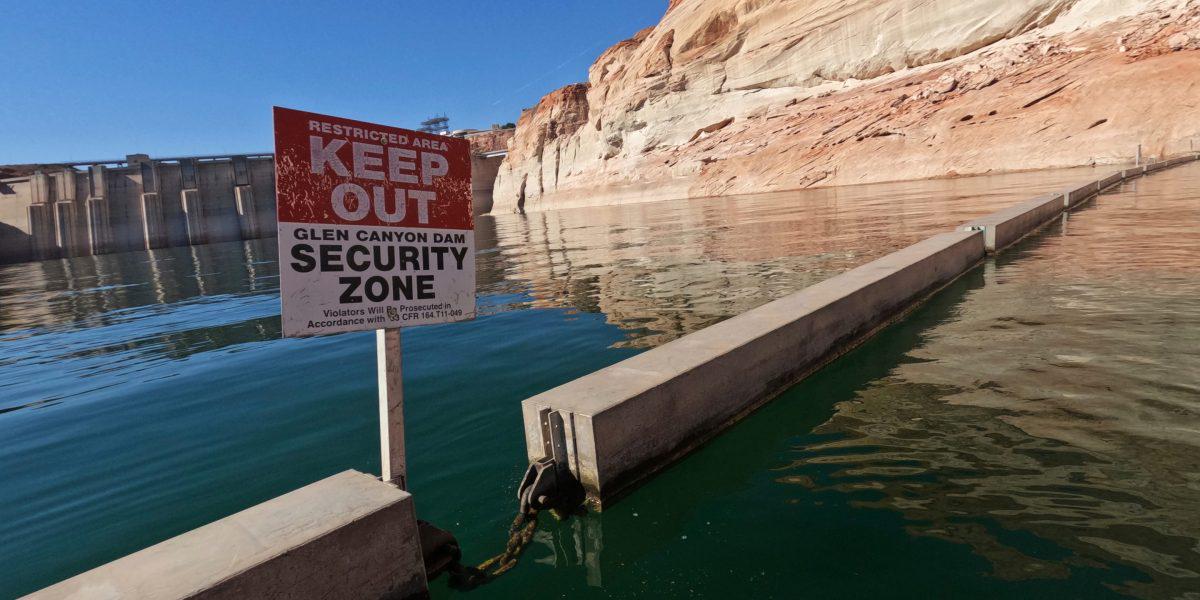
To fight off predators of the humpback chub, a threatened fish native to the river, Glen Canyon Dam in northern Arizona would need to do what is known as a “cool mix flow,” where cold water is released from deep in its reservoir to cool the river below. But there are no hydropower turbines in the cool, deep section, so significant power generation would be lost.
The proposal comes after the worst snowpack on record for the Colorado River Basin, relied upon by farmers, industries, wildlife and more than 40 million people in seven U.S. states, tribal nations and Mexico. It also comes as those states fail to reach a long-term agreement on how to share the river’s dwindling resources beyond this year, when the guidelines expire.
“There is a limited water supply. It’s getting even lower. And with that, a lot of hard decisions need to be made,” said John Berggren, regional policy manager for the environmental nonprofit Western Resource Advocates.
Read more [paywall removed for Redditors]: [https://fortune.com/2026/05/27/colorado-river-lake-powell-humpback-chub-glen-canyon-dam/?utm_source=reddit/](https://fortune.com/2026/05/27/colorado-river-lake-powell-humpback-chub-glen-canyon-dam/?utm_source=reddit/)
tl;dr: The endangered fish lower in the river need a cold water release to stop their predators (bass) from reproducing and eating them all. The lower release points to let cold water flow don’t have turbines to generate power.
So they either have to let endangered fish die, or lose a big chunk of their power generation this season.
No good answers in a drought stricken area. 🙁